

Activity and rest are two vital aspects of life. To find a balance in them is a skill in itself. Wisdom is knowing when to have rest, when to have activity, and how much of each to have.
~Sri Sri Ravi Shankar
Someone recently asked me why I arrive in Italy a few days before my guests arrive. Now, no offense if you are the one who asked me and happen to be reading this, but what difference does it make? Well, actually, it shouldn’t make a difference to you. That said, it does make a difference to me…. a big difference.
When I brought my first three groups in 2015, I arrived either with the groups or a day before they did. Within a few hours, we were all dragging. By the first group’s third day, I collapsed on the bed after getting them to their morning DaVinci Code tour and slept until they returned around 1:00. At that point, they were so tired that they decided to nap until dinner and skip touring the Colosseum. I was fine with that since it gave me another three-to-four hours to rest.
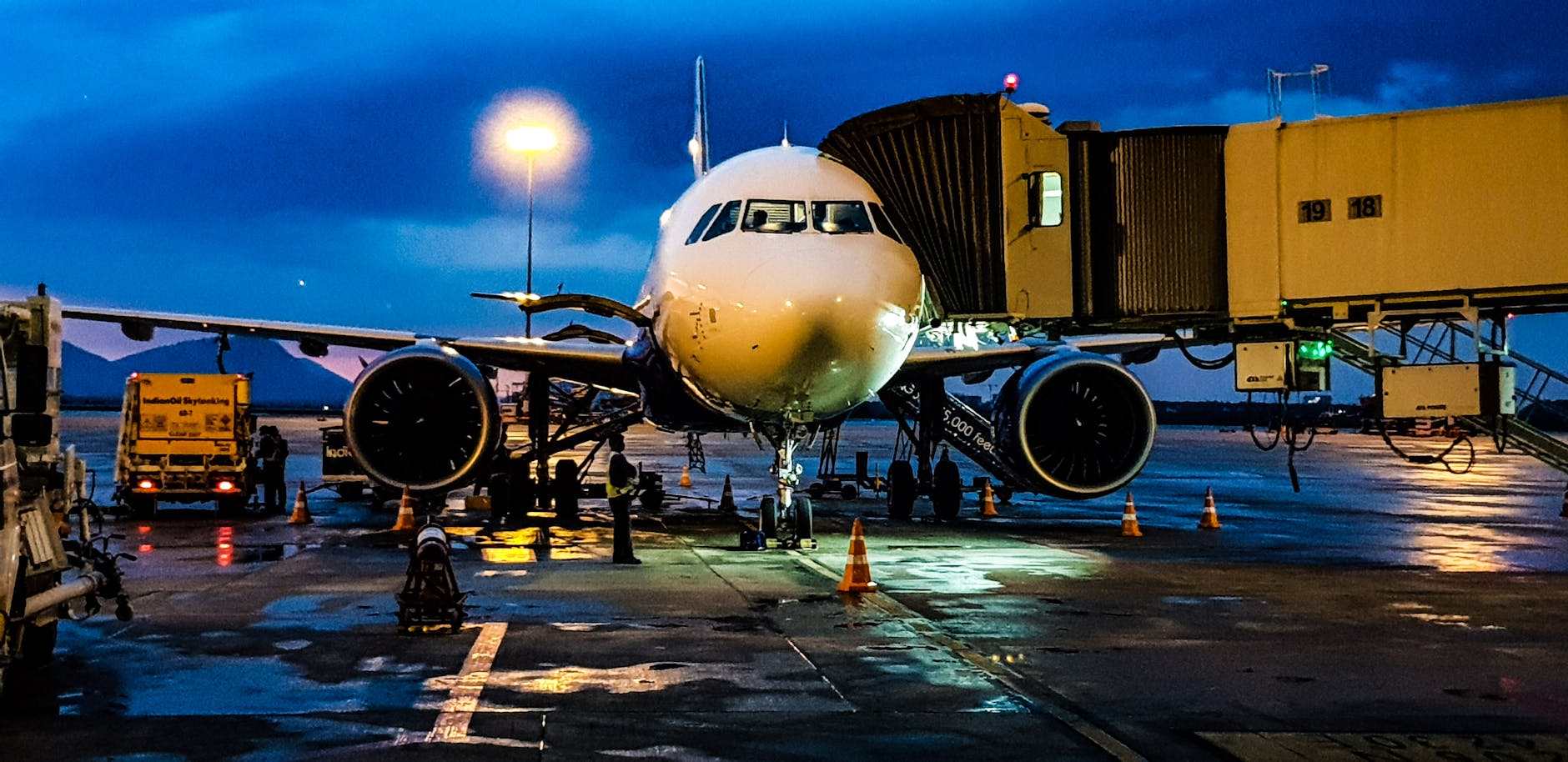
Getting on an airplane and hurtling through the skies some 20,000-40,000-feet above earth is one amazing thing. We don’t often think of it, but air travel does cause a drain on the human body. I’m sure most of you have traveled on a plane and know that air travel can affect your body in many ways, even if you’re traveling domestically. Cabin pressure, cabin dryness, cramped space, and limited movement all can cause a variety of issues. Add in jet lag caused by the difference in time zones, and your body is one confused machine when you travel.
Cabin Pressure
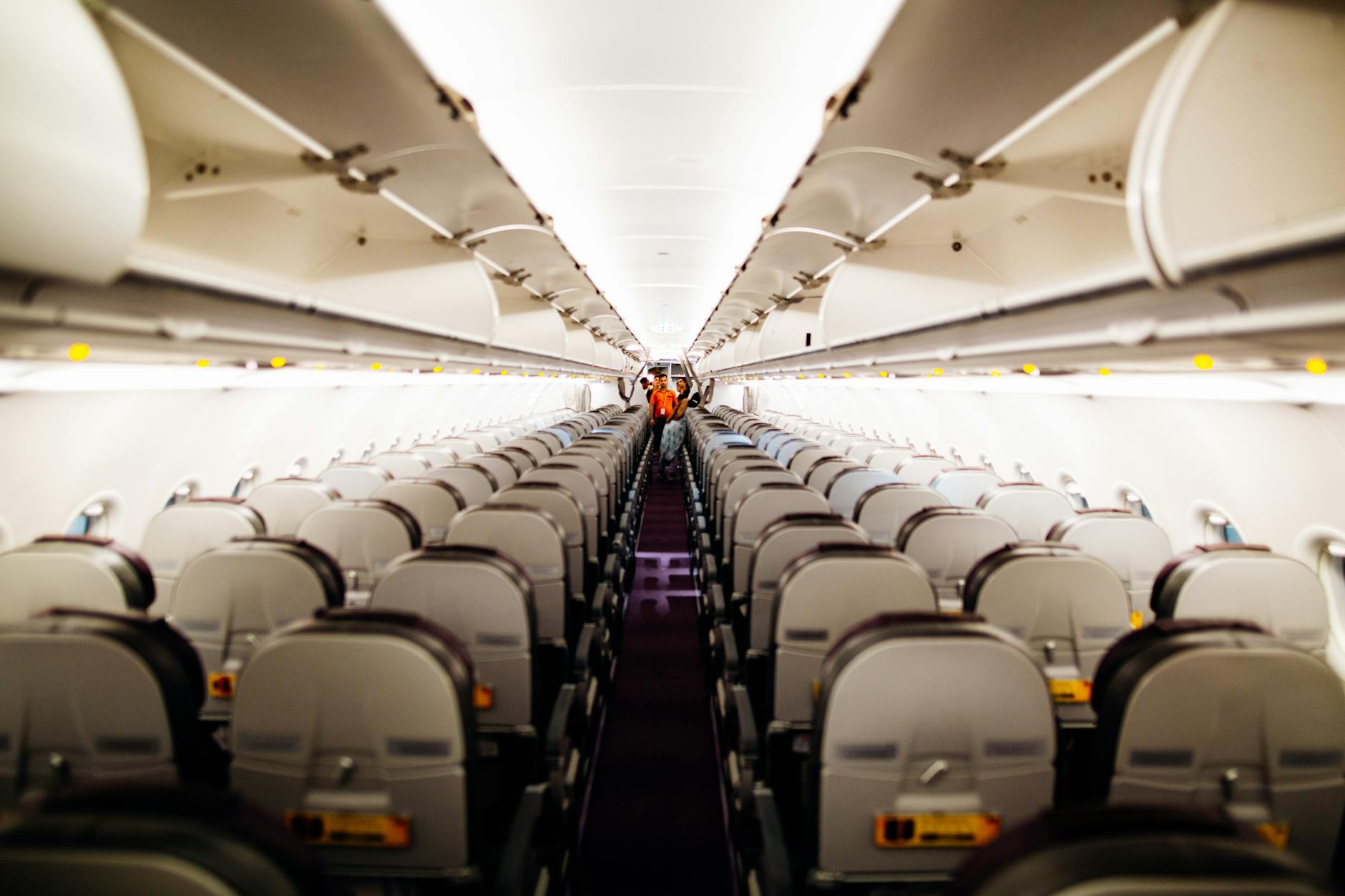
Changes in cabin pressure cause various physiological effects on your body. During take-off and landing, the rapid change and imbalances in cabin pressure can induce ear and sinus pain, aka barotrauma. If the air in the pockets in your middle ear and sinuses does not equalize in pressure with the outside pressure, you can feel pain or plugging.
I’m dealing with that right now. For some reason, we landed very quickly (and almost 40 minutes early) yesterday morning, and both of my ears plugged as though they had wine corks in them. I was able to alleviate some of the pressure in the left ear, but my right one still makes me feel as though I’m listening to sounds with a barrel on my head.
To open the eustachian tubes, try yawning, chewing gum, or swallowing hard. None of those works for me, so I use the Valsalva Maneuver—gently blowing my nose while pinching it closed. And, if all else fails, I try decongestants, which is on my list for tonight.
Cabin Dryness
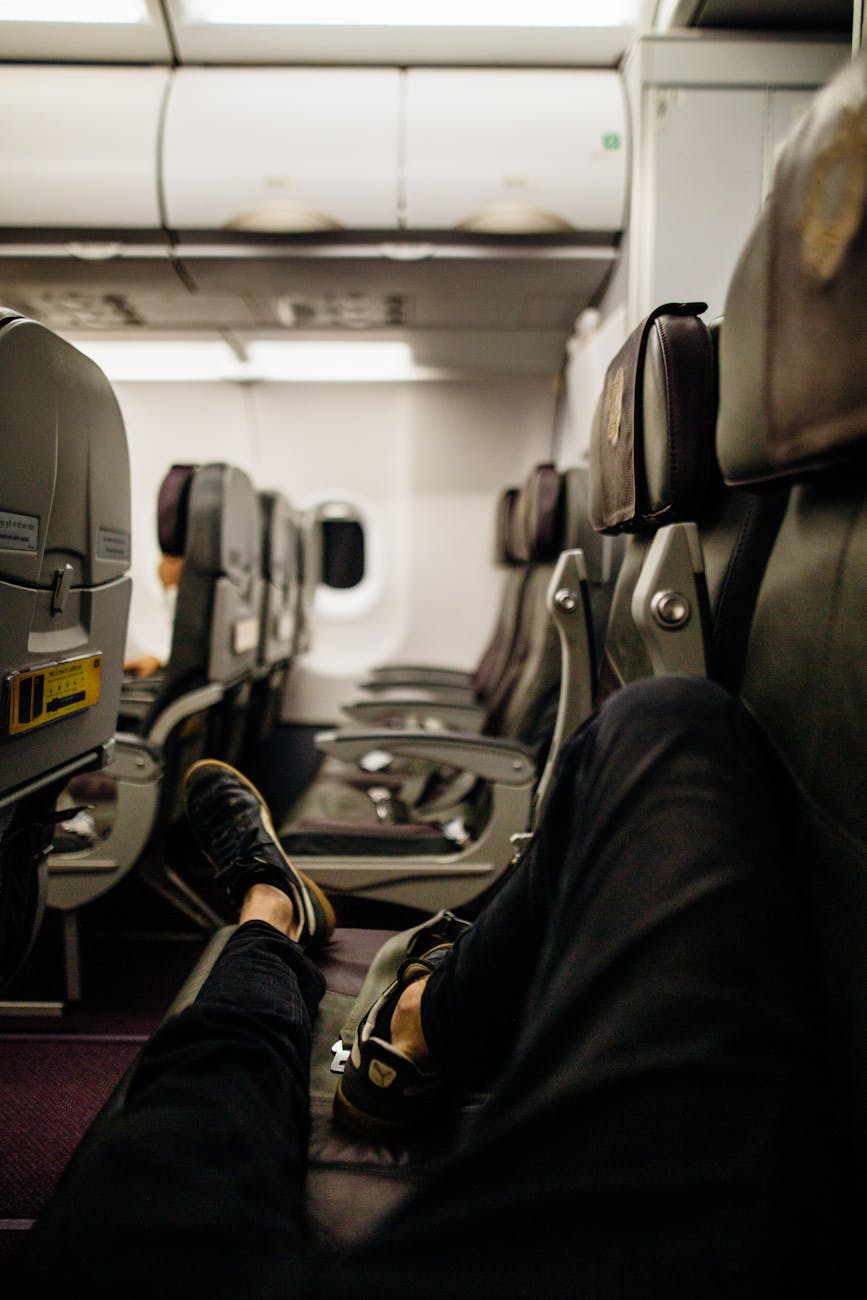
The air in airplanes is very dry, ranging in humidity levels that rarely top 15 percent. The low humidity can lead to dryness in your eyes, nose, mouth, skin, throat, AND dizziness, fatigue, and confusion (like I need all of those). Drinking water, a lot of water, helps lessen the effect of dehydration on your body.
I personally have a real problem with that as I am not one who drinks a lot of water. Coke Zero? Yes. Water? No. What’s one of the worst things you can drink on a plane? Coke Zero. Alcohol and coffee are just as bad as they act as a diuretic and pull more water from your body.
Cramped Spaces
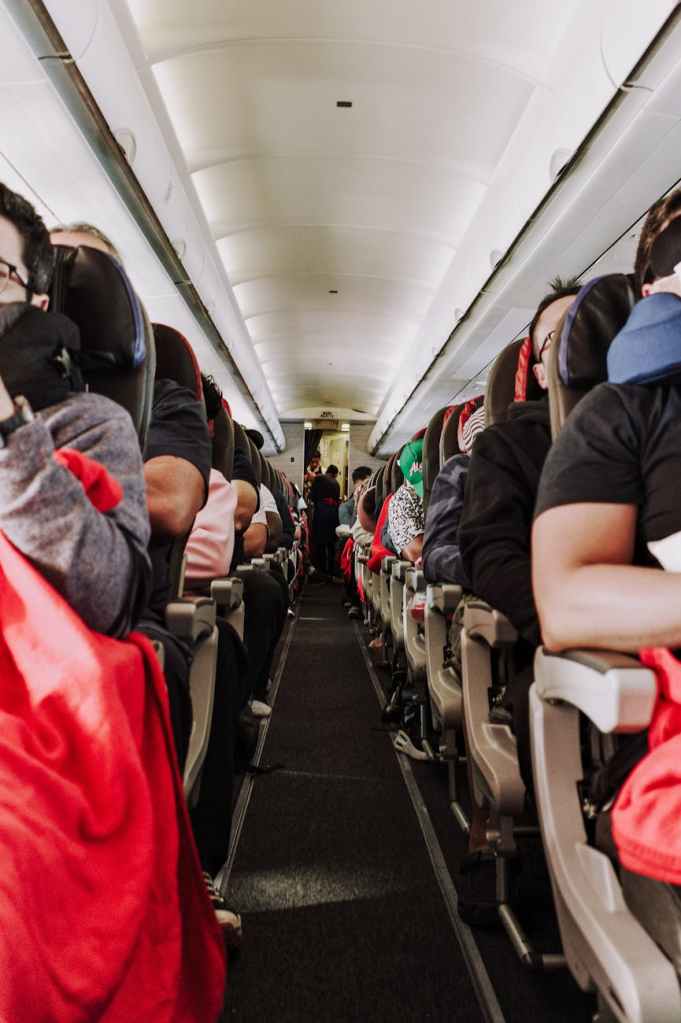
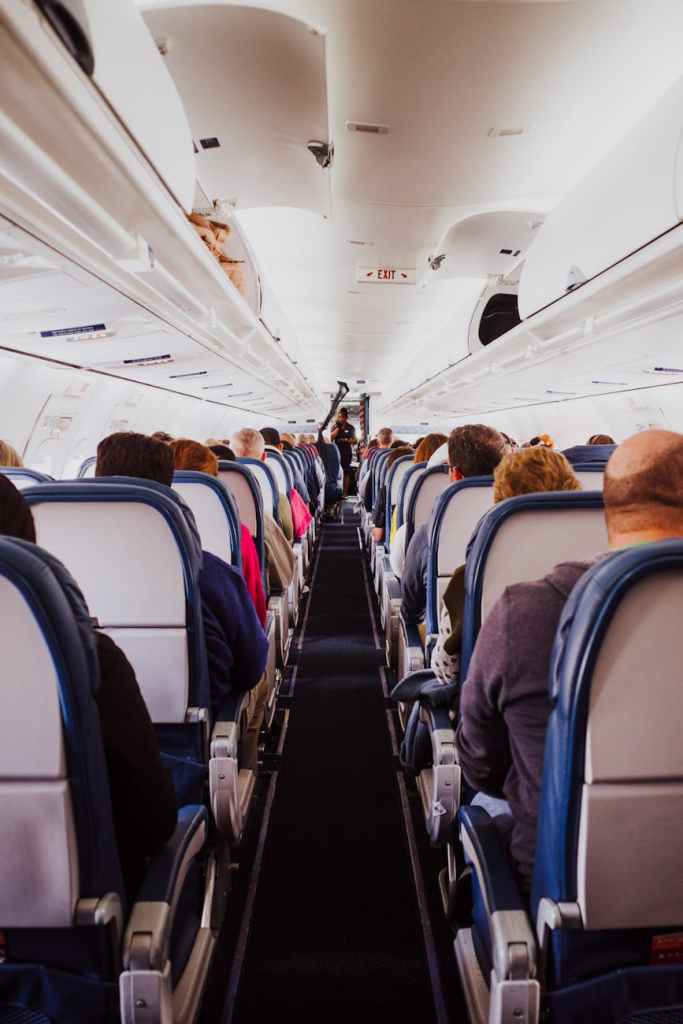
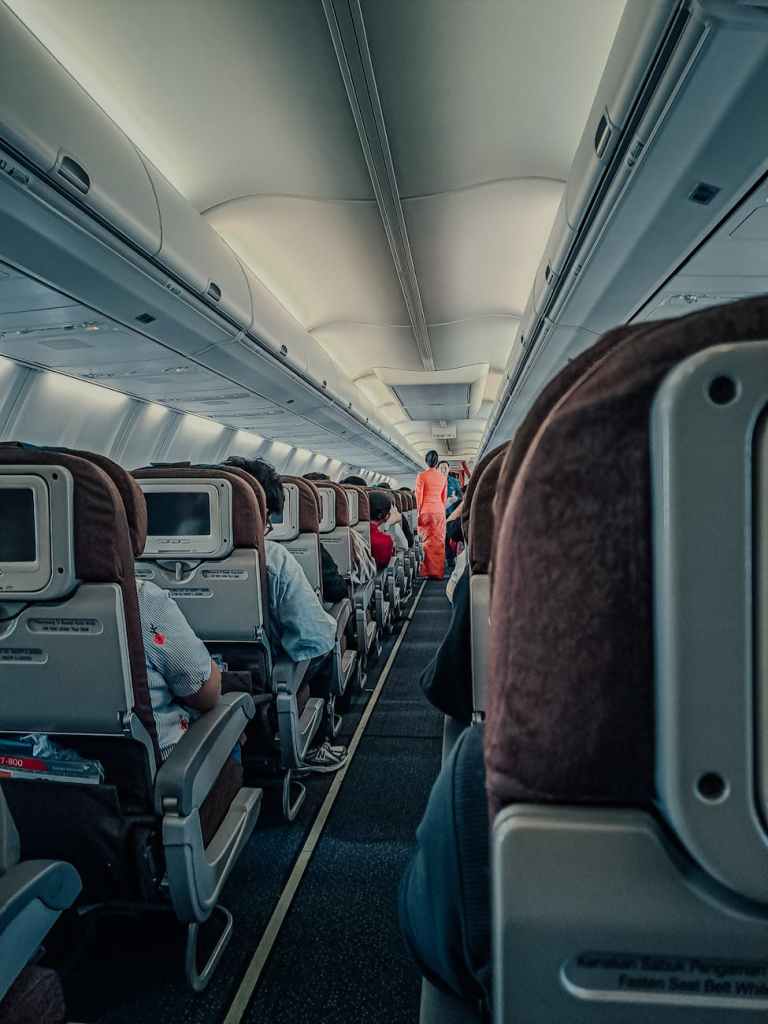
When I was boarding my flight on Tuesday, a child walking in front of me asked his father why they couldn’t sit in the business class seats. “I want to have my own little room,” he said. Quick on his thinking feet, the dad answered, “Those seats are not very comfortable, son. Ours are better.”
While I know the father was trying to appease his child by telling him business class is not comfortable, he wasn’t completely incorrect. Lie-flat business class seats may have that convenience and may be a little larger than economy seats, but let’s face it: While business class customers do have their own, bigger space and are not touching shoulders and, heaven forbid, knees with the person next to them, they are still cramped, hard, and uncomfortable. And, no matter what class you’re in, airline food still sucks…although free alcohol is nice, even though you shouldn’t be drinking it (See Cabin Dryness above.).
Mant people who book with me want to book the least expensive seat they can, and many times, that is Basic Economy. Let me warn you: Basic economy is the dregs of airline travel. The airline will assign your seat before check-in, and 99 percent of the time, you will get a middle seat. In addition, you are limited as to what you can take on the plane with you. Many times, basic economy seats include only a personal item. Pay for standard economy and save yourself hours of discomfort.
Limited Movement
Along with the cramped spaces comes limited movement associated with airline travel. Immobility can cause deep vein thrombosis (DVT), blood clots that form in the legs and travel to the lungs. A DVT in the lungs, also known as pulmonary embolism, can be fatal.
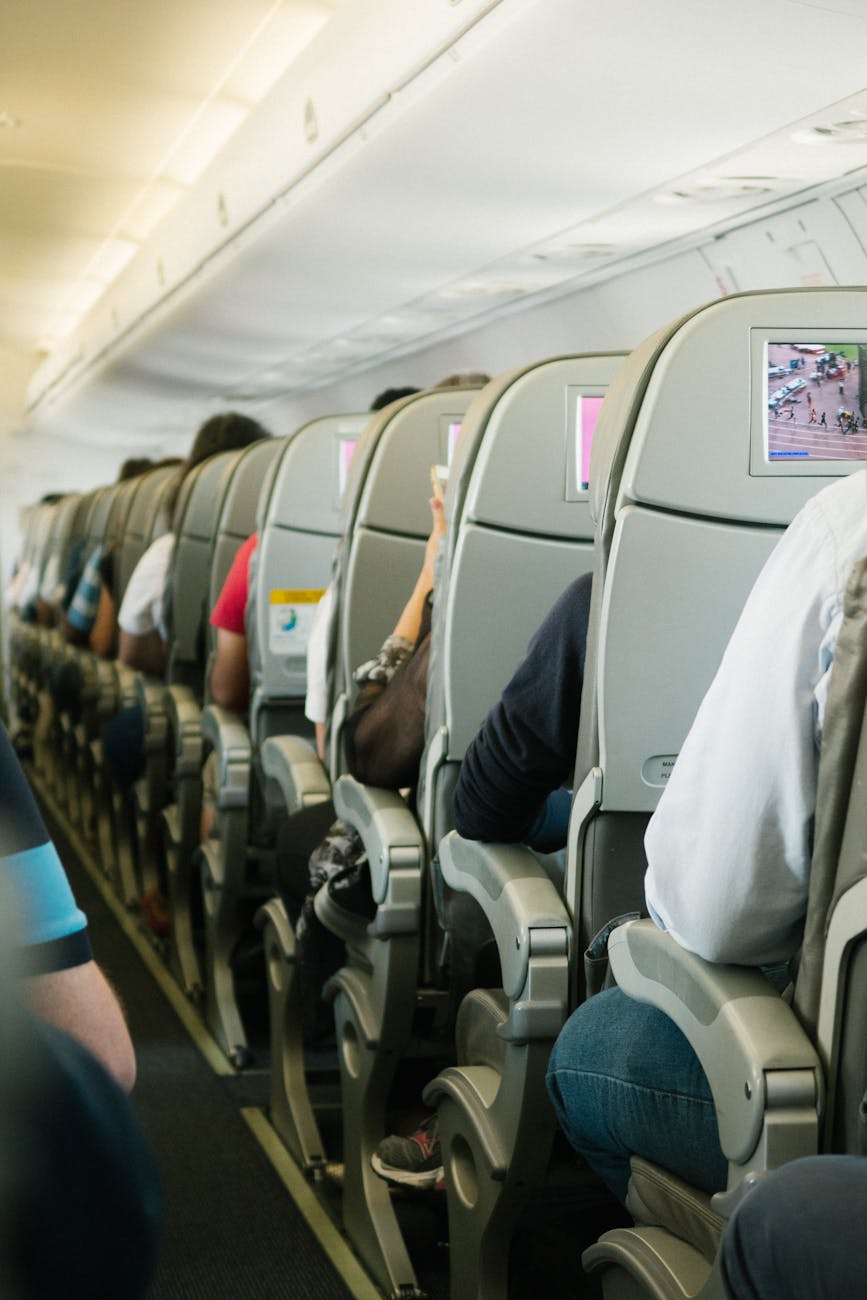
With so many people squeezed into that flying silver tube, there is no way you are going to be able to get your daily steps in unless you walk up and down the aisle most of the time you are in the air. The service carts will prevent your being in the aisles at times, and if you walk around too much, you’re likely to irritate other flyers. Still, you can exersize when seated. Do ankle circles, foot pumps, shoulder rolls, knee lifts, and calf raises while in your seat. Check out In-Flight Fitness for more information.
Jet Lag
Oh, jet lag. If there is one thing that causes me to come in a few days before my groups more than any other reason, it’s jet lag. As I write this, I’ve been in Milano two-and-a-half days, and I’m still suffering.
Jet lag is not as simple as being tired. There’s a definite psysiological aspect to it. I’m not going to get into the whole thing, but jet lag occurs when your circadian rhythm (aka body clock) is not synchronized to the time zone you’re in. Research shows that, to recover, you need one day for each hour of time difference. Since I left from Ohio in the eastern time zone and Italy is six hours ahead, my body should adjust by Monday, the day my first group arrives.
Jet lag symptoms include irritability, fatigue, brain fog, and insomnia, and the older you are, the longer they can take to dissipate. I’m not sure if I’m lucky or not, but I suffer mostly from insomnia and fatigue, and I seem to suffer more when I go home than when I arrive. When I got home from my last trip in June, I was waking up around 3:00-4:00 am. I seem to do this each trip, to be honest. My third night home, I woke up at 3:30 and, in a fog, moved too quickly, lost my balance, and rolled out of bed, hitting my head and left cheek on the nightstand. (If you heard a loud bang around 3:30 EST on June 22, now you know what it was.)
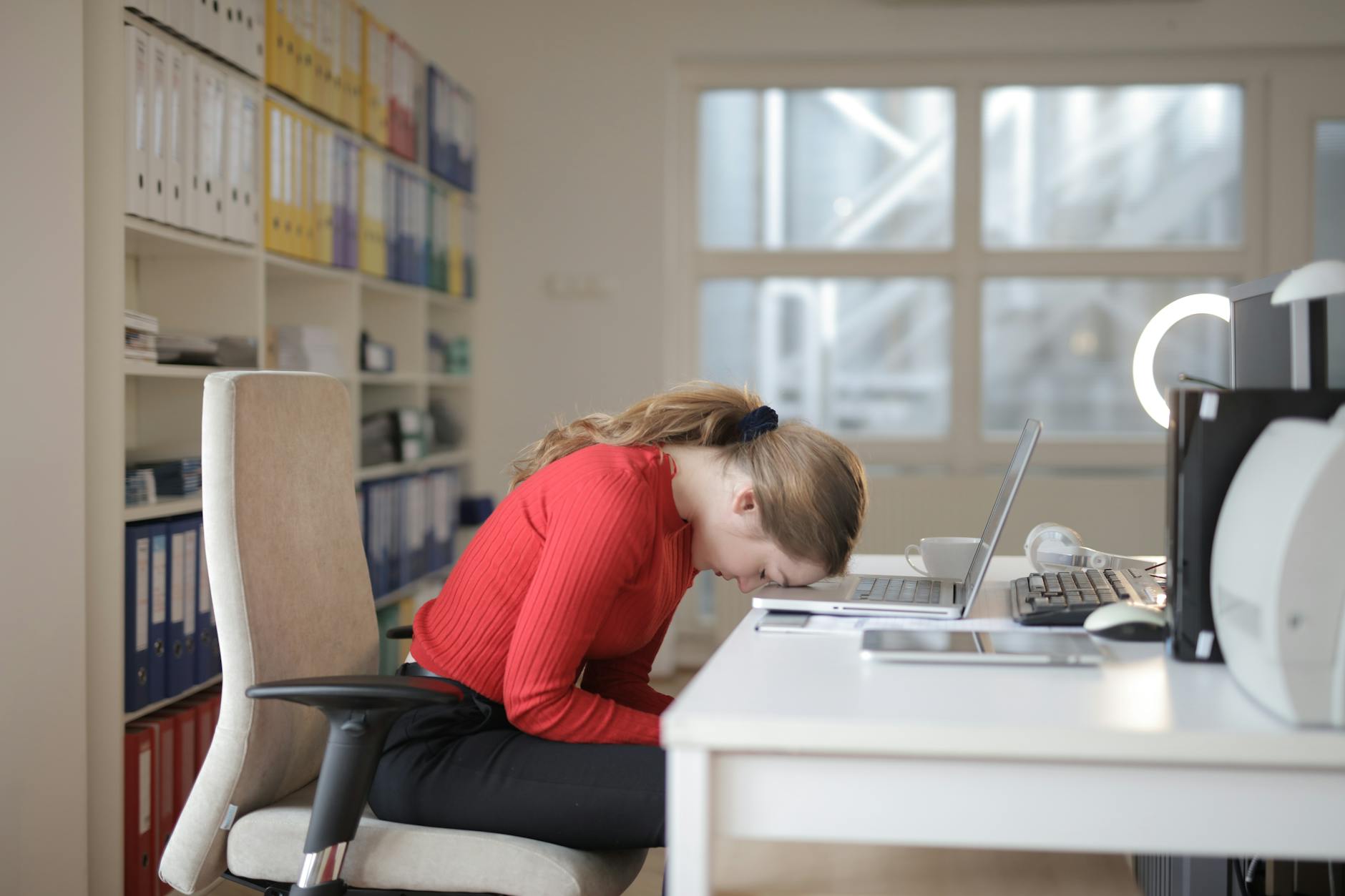
I’m lucky I didn’t break my eye socket, knock my teeth out, or worse. My “accident,” if you want to call it that, is minor compared to others caused by jet lag. Fatigue can cause impaired cognitive function, and driving or working at certain jobs while suffering from jet lag is simply dangerous.
So, what do you do to combat jet lag? I’ve read there are no sure tricks to “cure” jet lag, but there are things you can do to help. Drinking a lot of water on the flight seems to help (I’m lost on that one, again.), as does avoiding alcohol and caffeine. Melatonin supplements and sunlight are also aids in combating jet lag.
When I am traveling to Europe from the US, I try to nap for a few hours as soon as I arrive. Then, I stay up as late as I can so I can fall asleep easily. It doesn’t always work, but it does help. I will take naps in the afternoon, if I can, and go to bed at a normal time.
Speaking of going to bed at a normal time, I’m signing off and going to bed. A domani!


Well-written analysis of jet-lag. Staying hydrated is important but if you have a window seat, getting up fast enough and frequently enough may annoy your se
LikeLike