
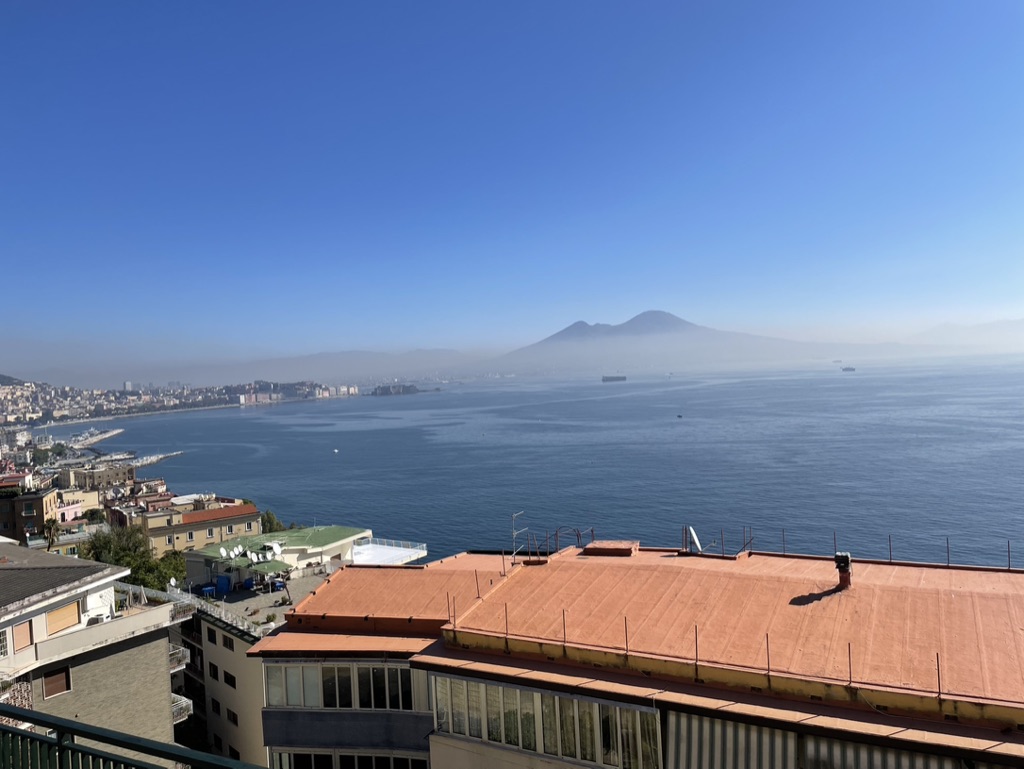
A man who does not plan long ahead will find trouble at his door.
~Confuscius
As I wrote the other day, I’m planning of adventures for four groups of guests accompanying me to Italy this spring. Getting ready is not an easy thing, believe me. Except for my most basic visits (which include Rome, Florence, and Venice), I plan itineraries according to what my guests want to see and do.
I mentioned I have four friends who have accompanied me four times. The first time, we did the basic visit, but the following year, it was Sicily and the Amalfi Coast. After the pandemic, they wanted to see the Lakes Region, and in 2023, we visited Puglia. While we experience the culture, history, and art of each area, we also sample the foods and wines. It’s very important to see how the food aligns with those other three things.
While getting ready for their trips is relatively easy now since I know their likes and dislikes, it still takes me a few months to research accommodations, activities, trains, and more. Planning this year’s trips started in June of last year, but there are things one cannot reserve that early, so I’m still on it. At times, I think my computer feels like another appendage. All that said, since I love to share the beauty of the different regions of Bella Italia, I really don’t mind any of it.
Here are a few more of the towns we’ll be visiting this spring.
Milano
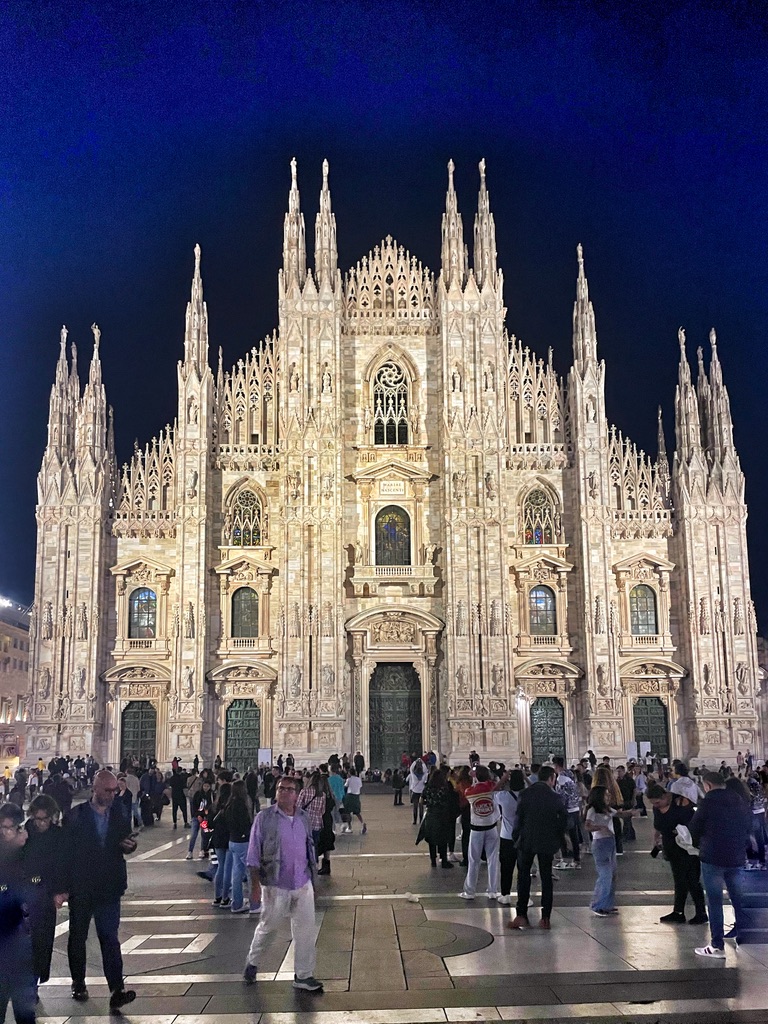
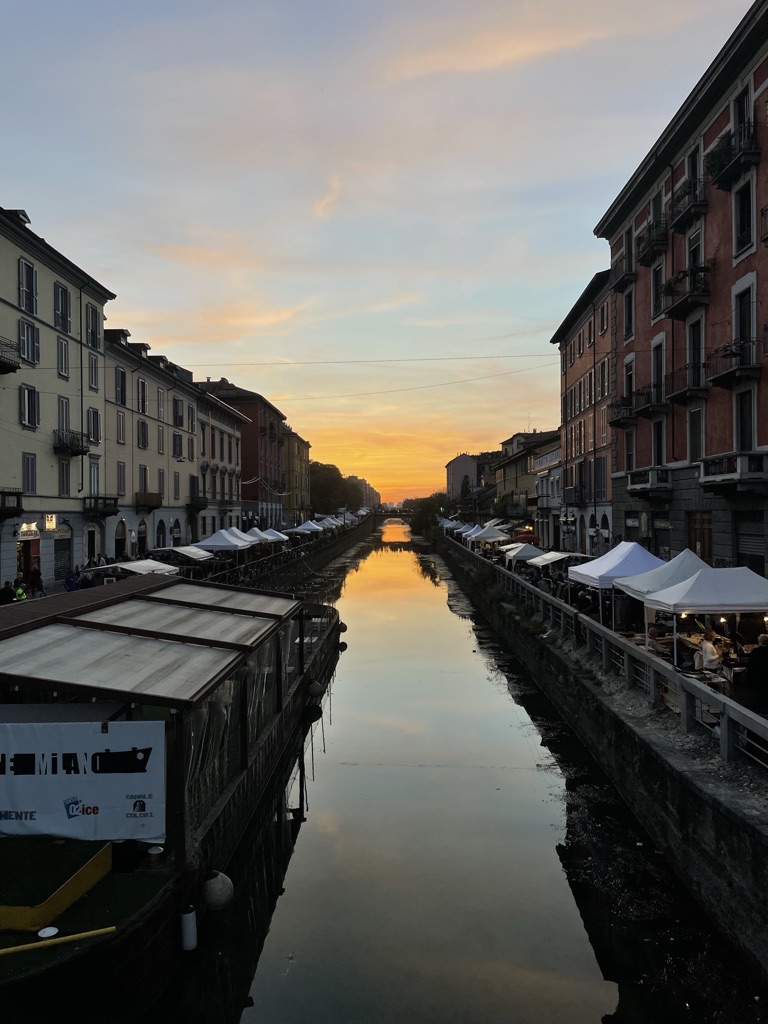
I really don’t particularly enjoy being in big cities, but I do enjoy Milano. The capital of the Lombardia region, Milan is the second largest city in Italy. It is a fashion, design, financial, and cultural center, too. From the train station to the Sforza Castle to the Duomo to La Scala to the Navigli canals, there is much beauty in Milano. Its Duomo’s history is long and complex. Begun in the late 14th century, it has had work done on it in every century since with completion of the façade finally in 1965. Leonardo daVinci’s “Il Cenacolo” is in the refrectory of Santa Maria delle Grazie Church. Musolini wanted to fill in the canals to make large and wide roads that resembled the avenues of Paris, but a few remain. And, did you know that Milano is known for its pastries?
Naples
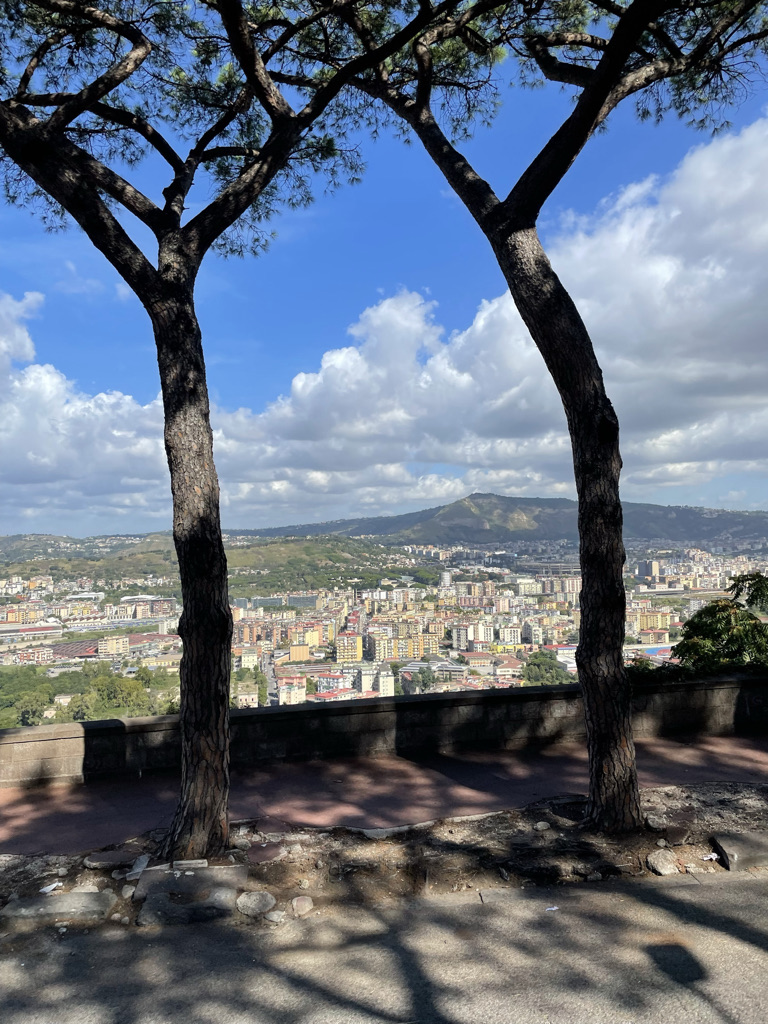
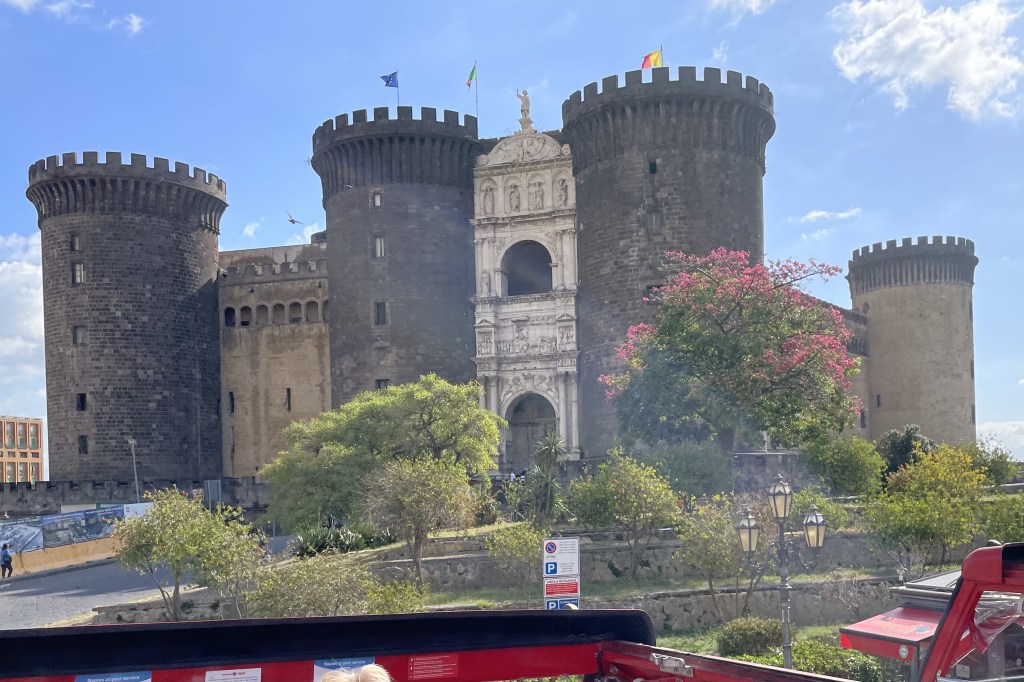
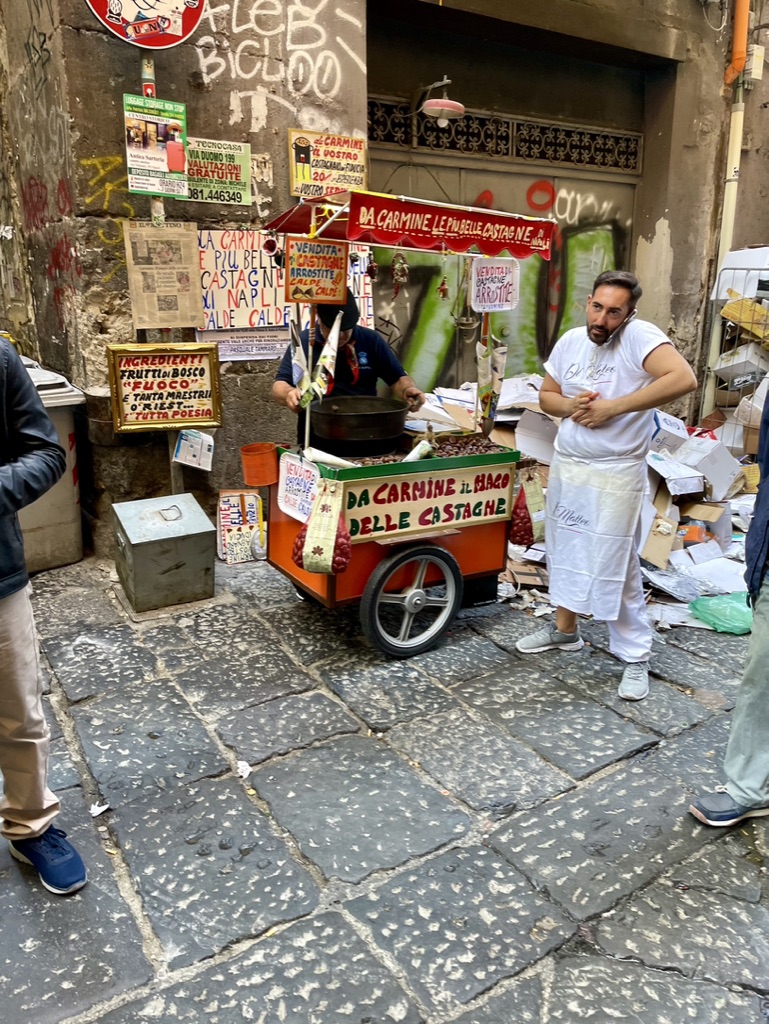
During our first trip to Italy in 1996, we drove into Naples by mistake and got lost in the middle of a loud and dirty alley filled with laundry hanging from the windows and garbage blocking the sidewalks. For 25 years, I avoided going back, and when I finally did in 2021, I found it much the same way as I left it: gritty, chaotic, loud, and crowded. Naples is the third largest city in Italy and the capital of the Campania region. Once the seat of the Kingdom of Naples (prior to Italian unification), Naples has a plethora of museums, churches, statues, piazzas, palaces, etc., and its culture, art, and cuisine rival those of many other cities. Spaccanapoli, which means Naples splitter, is a narrow main street that divides Naples into north and south.
Assisi
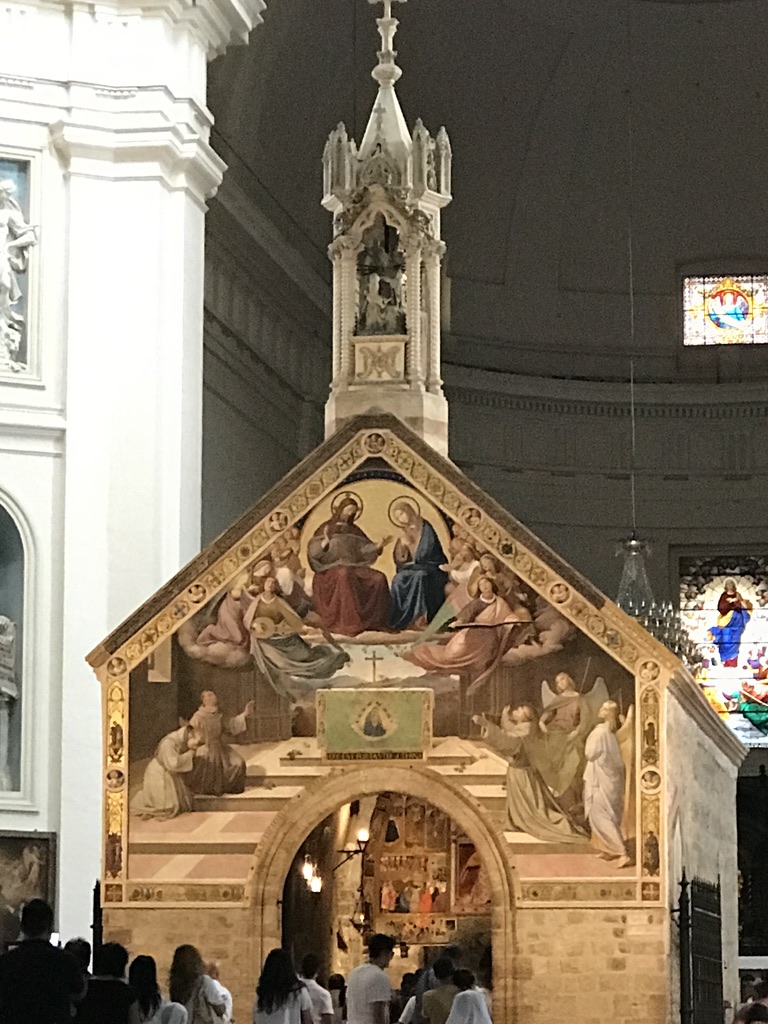
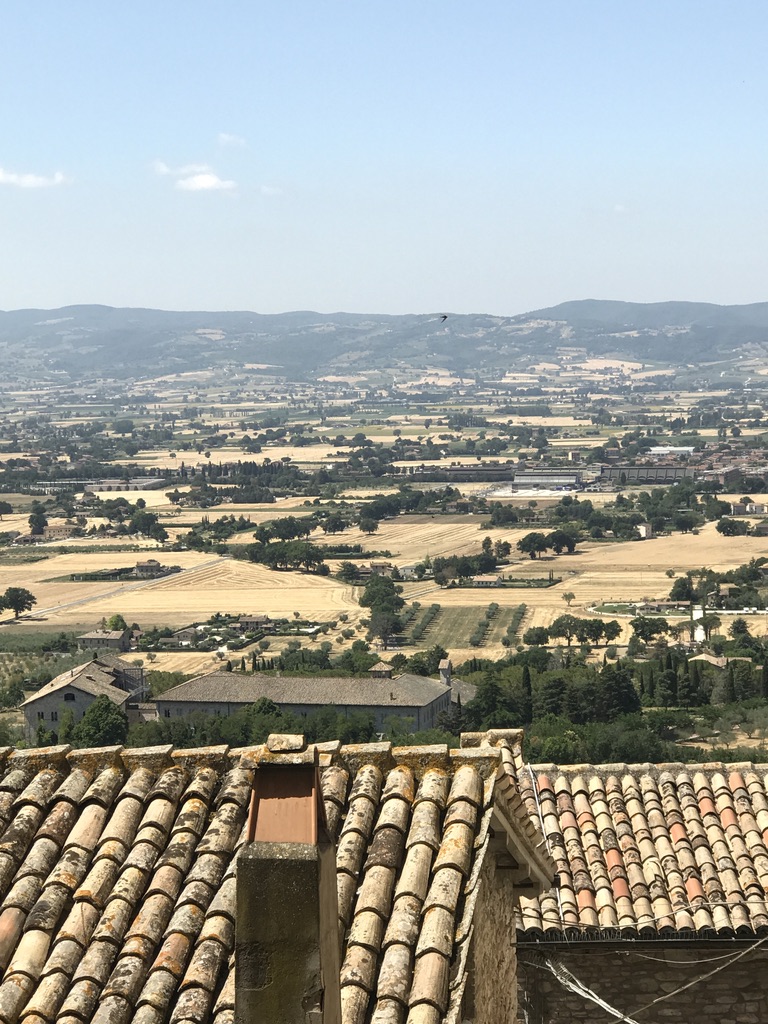
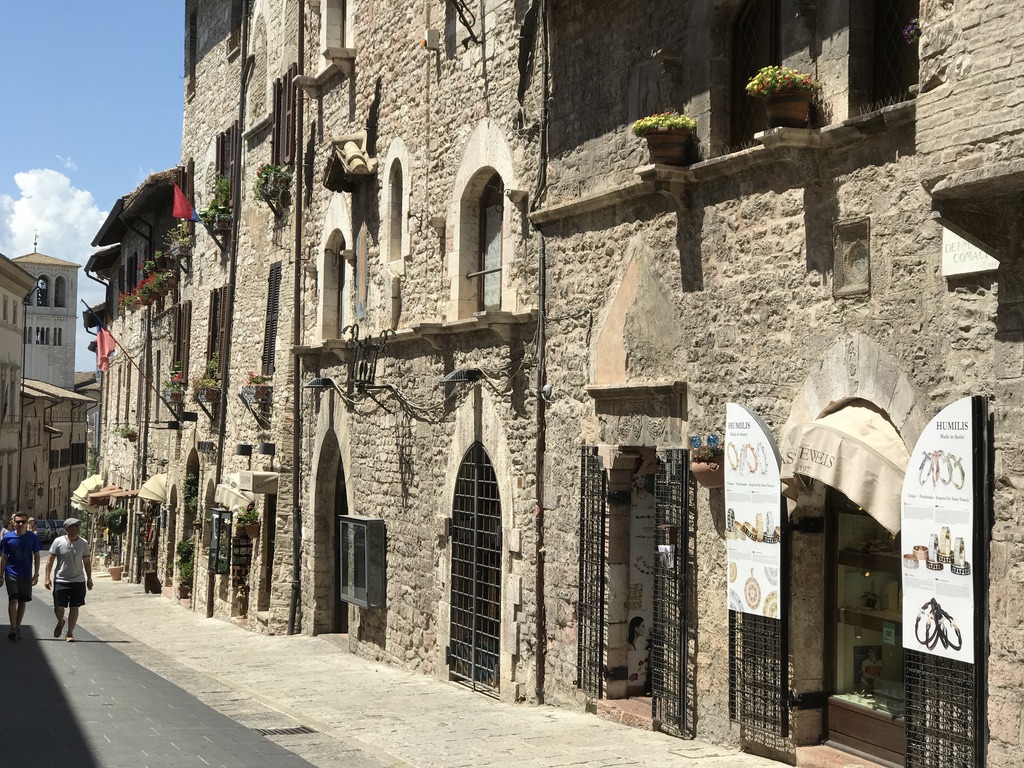
One of Umbria’s beautiful hill towns, Assisi is the birthplace of St. Francis, St. Clare, and several lesser-known saints. In addition to a number of churches, there are two castles, the Temple of Minerva, and the ruins of an amphitheater in the town. Interestingly, the basilica that holds the remains of St. Francis is not the church where he started the Franciscan order. The Porziuncola (small church) of St. Francis is actually in the basilica in Sta. Maria degli Angeli, a town 4 kilometers down the hill from Assisi.
Bari
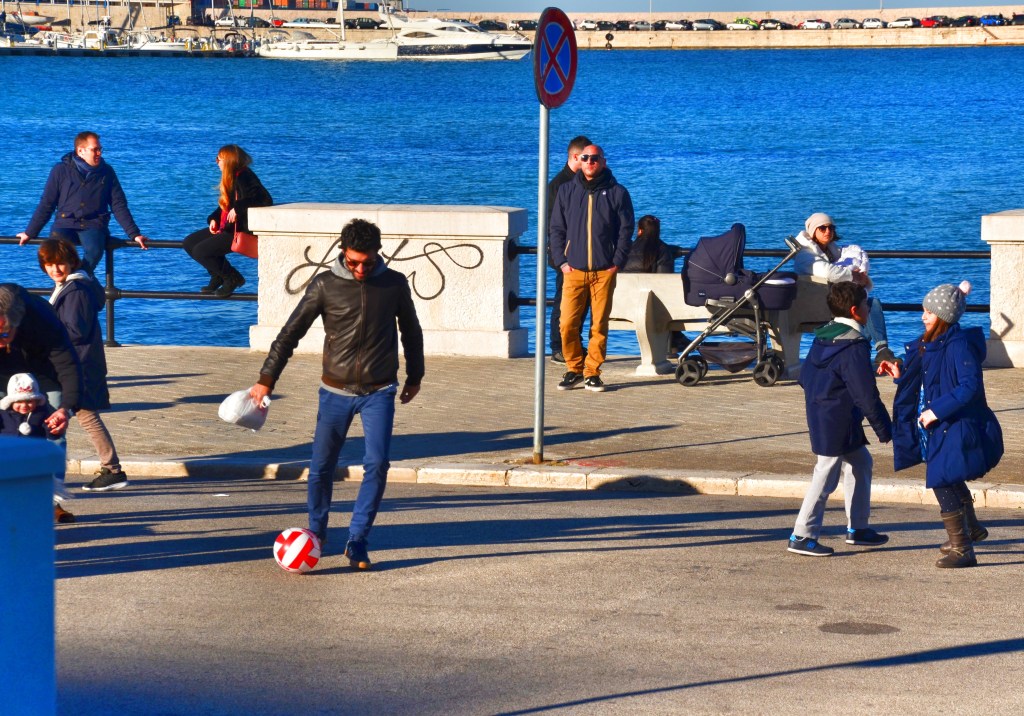
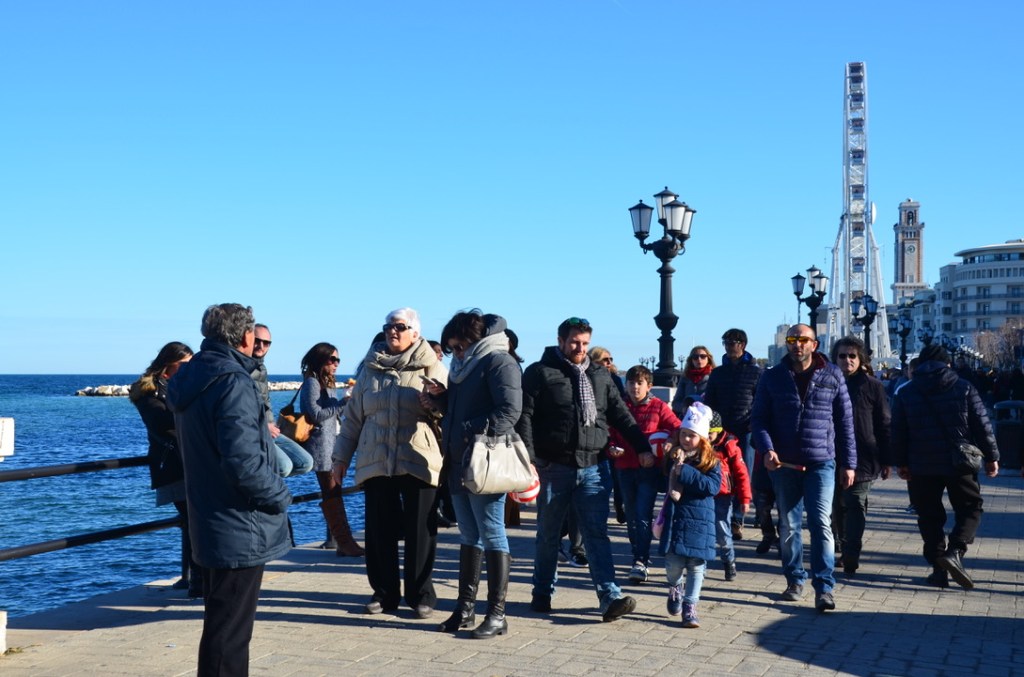
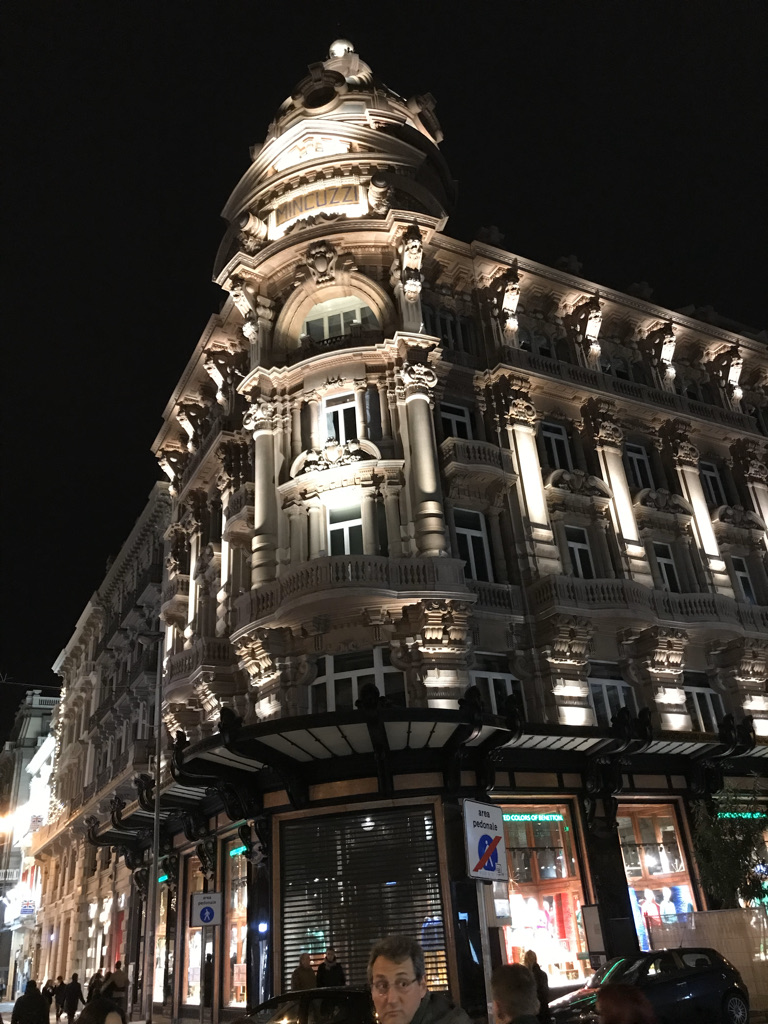
The capital of Puglia, Bari is one of southern Italy’s most prominent cities. Like Naples on Italy’s west coast, Bari is rough and tumble but full of culture, art, and cuisine. The largest city on Italy’s Adriatic Coast, Bari has the longest promenade in Italy. Its historic old town, contains courtyards, churches, and more. The relics of St Nicholas of Myra, better known as Santa Claus to most of the world, rest in the basilica named for him. My favorite part of Bari, though, is its food—panzerotti, orchiette, and Pugliese bread.
Dozza
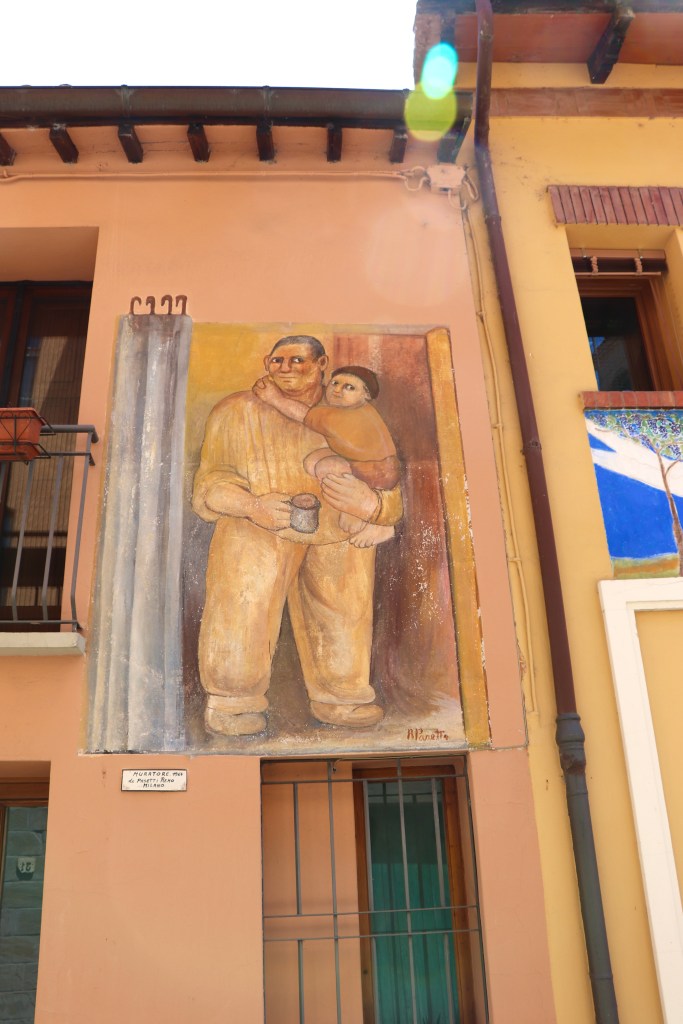
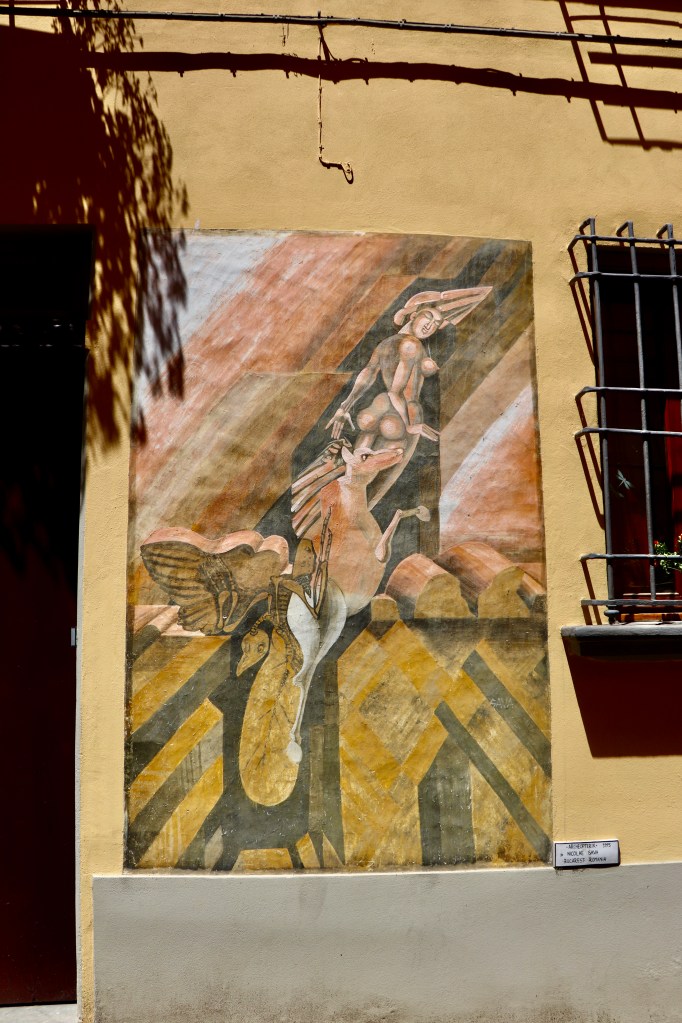
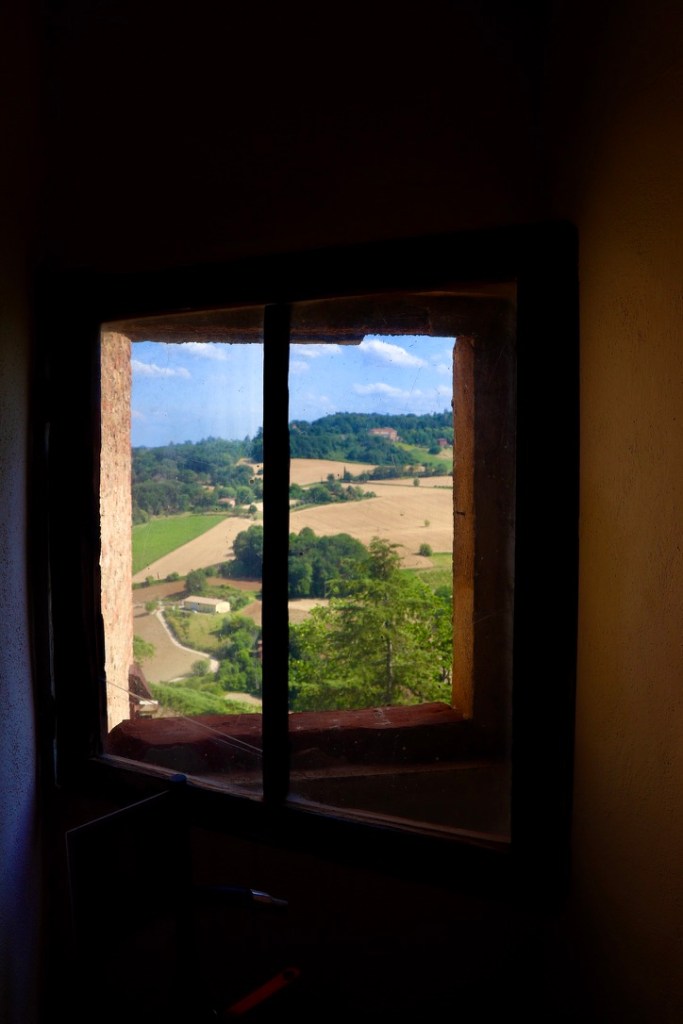
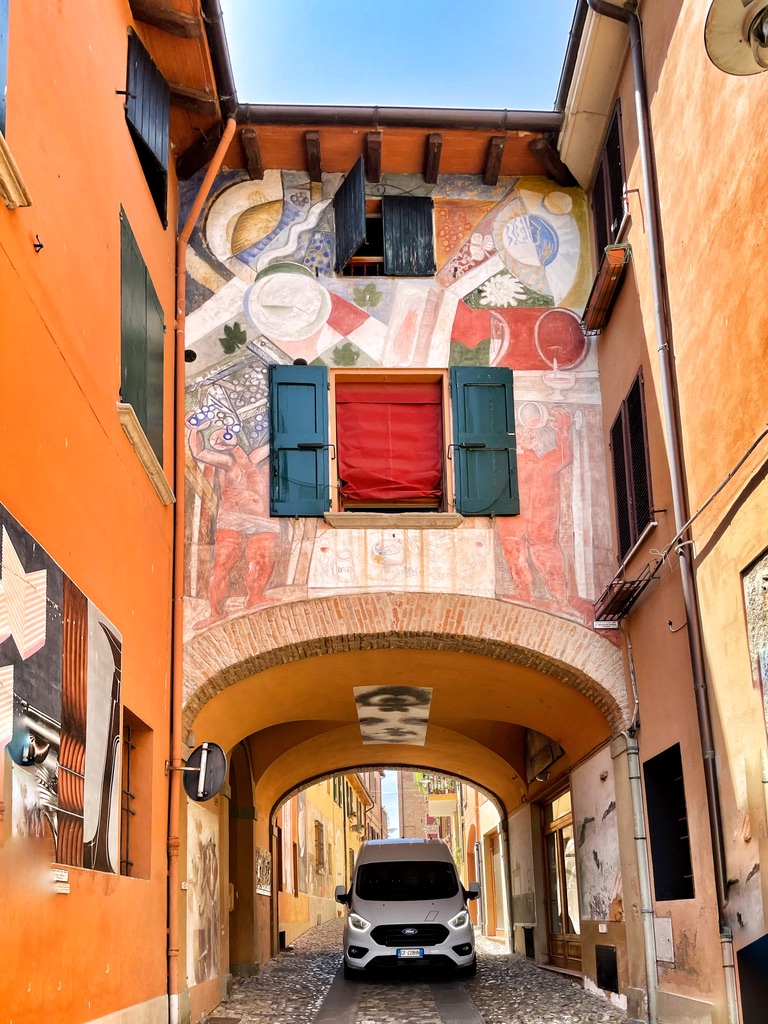
You probably have not heard of Dozza, the small hilltown about 30 miles from Bologna. This wonderful medieval town has a beautiful castle with an enoteca in what used to be its dungeon. It might take 10-15 minutes to walk from one side of the town to the other, and during that time, you’ll see Dozza’s real attraction on the walls of the town. In 1960, the town established the Biennale del Muro Dipinto (Festival of the Painted Wall). Held during the third week of September in odd-numbered years, the festival brings artists from all over the world to create art on the walls of the town’s buildings. Dozza is one big open-air museum.
Frascati
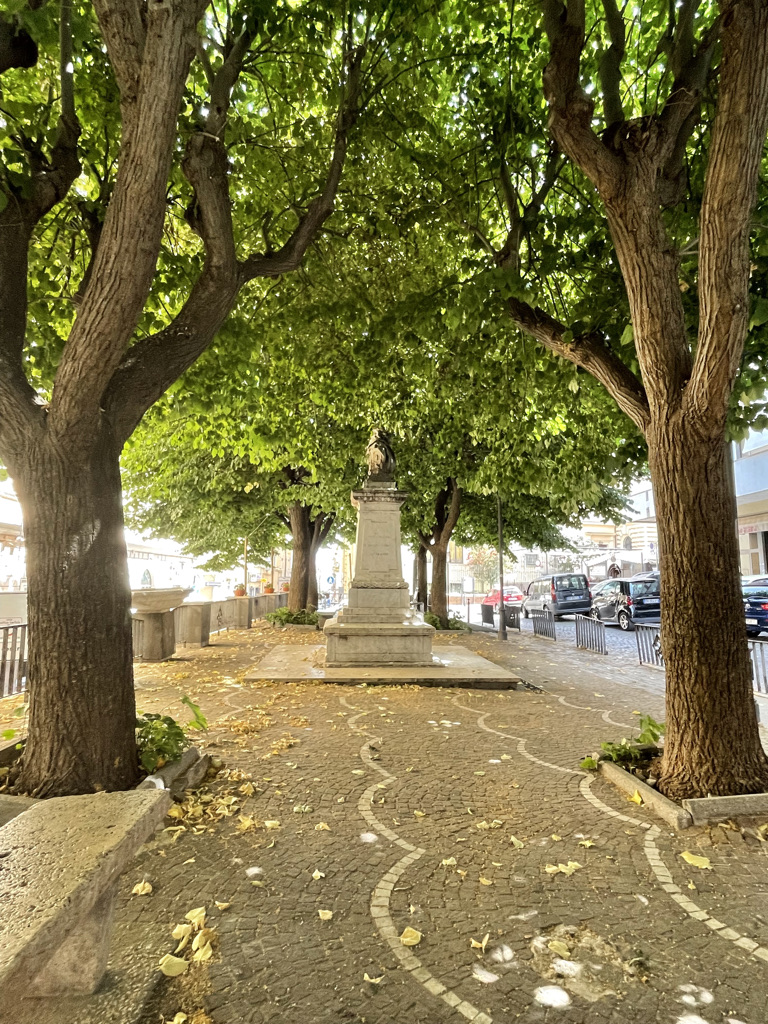
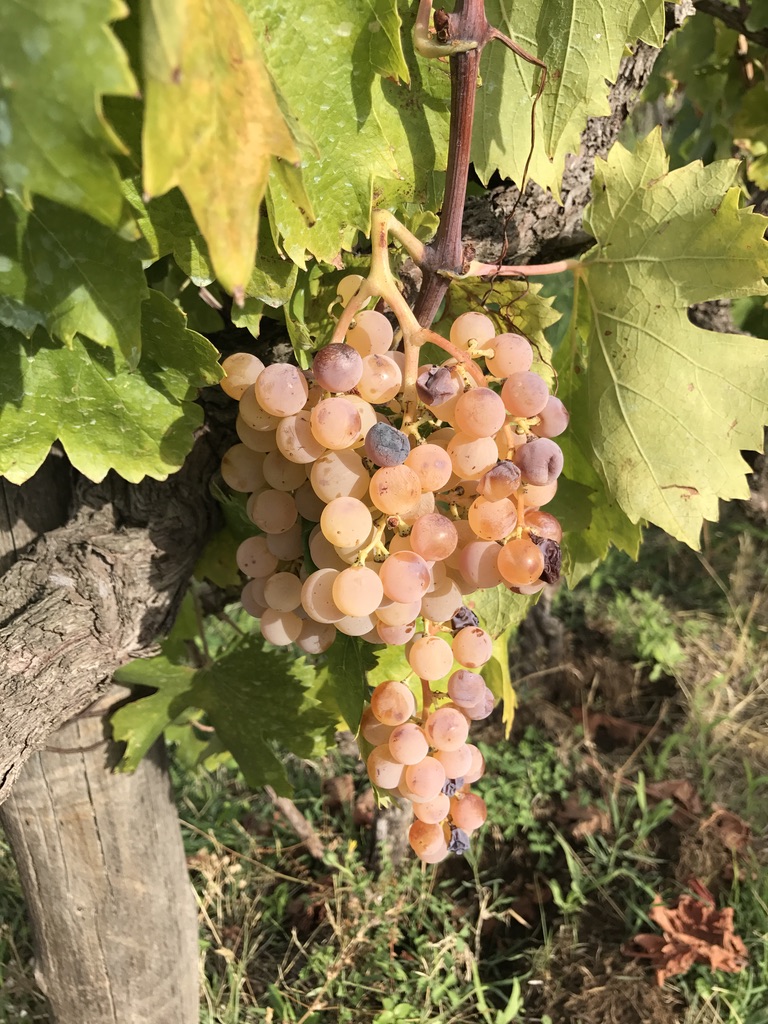
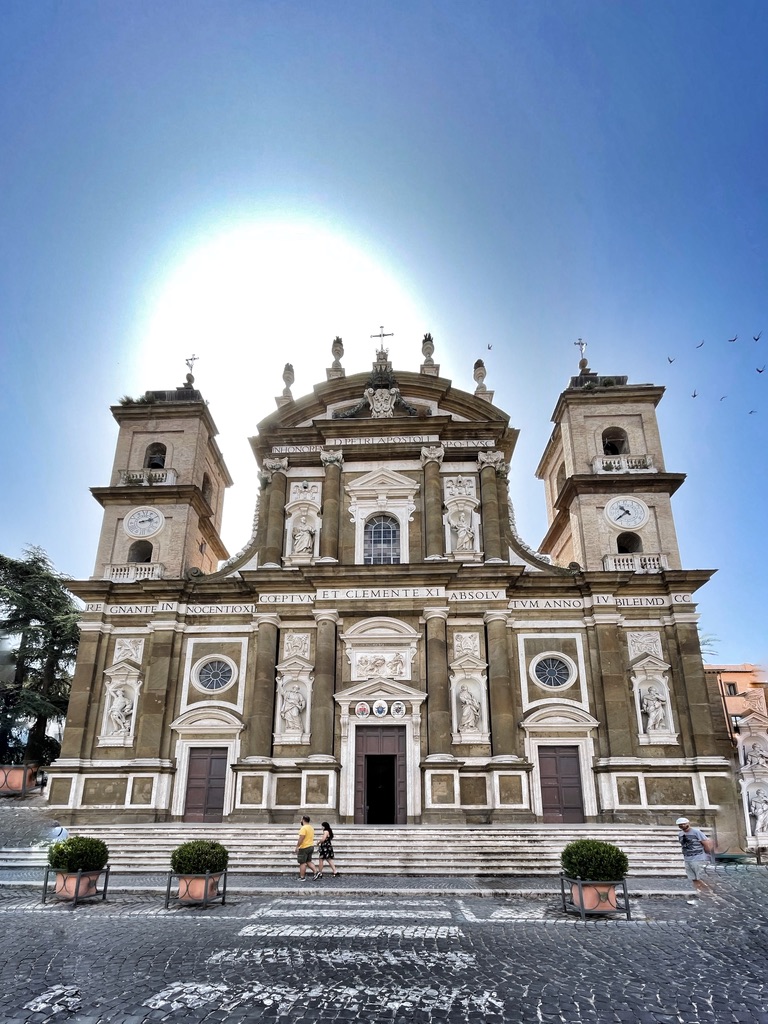
I discovered Frascati because good friends of ours told us it was one of their favorite towns in Italy. Located about 12 miles south of Rome, Frascati has long been a favorite summer escape for the popes (Castel Gandolfo is nearby) and Roman nobility. The most famous product of the town is its white wine, named for the town. Since the 5th century, area vineyards have produced Frascati, a favorite of nobles, popes, poets, writers, and artists. It is the most popular wine of Lazio.
Next time: New towns to me

 coldpastaandredwine.com
really enjoyed reading this in anticipation of our upcoming trip.
LikeLike