
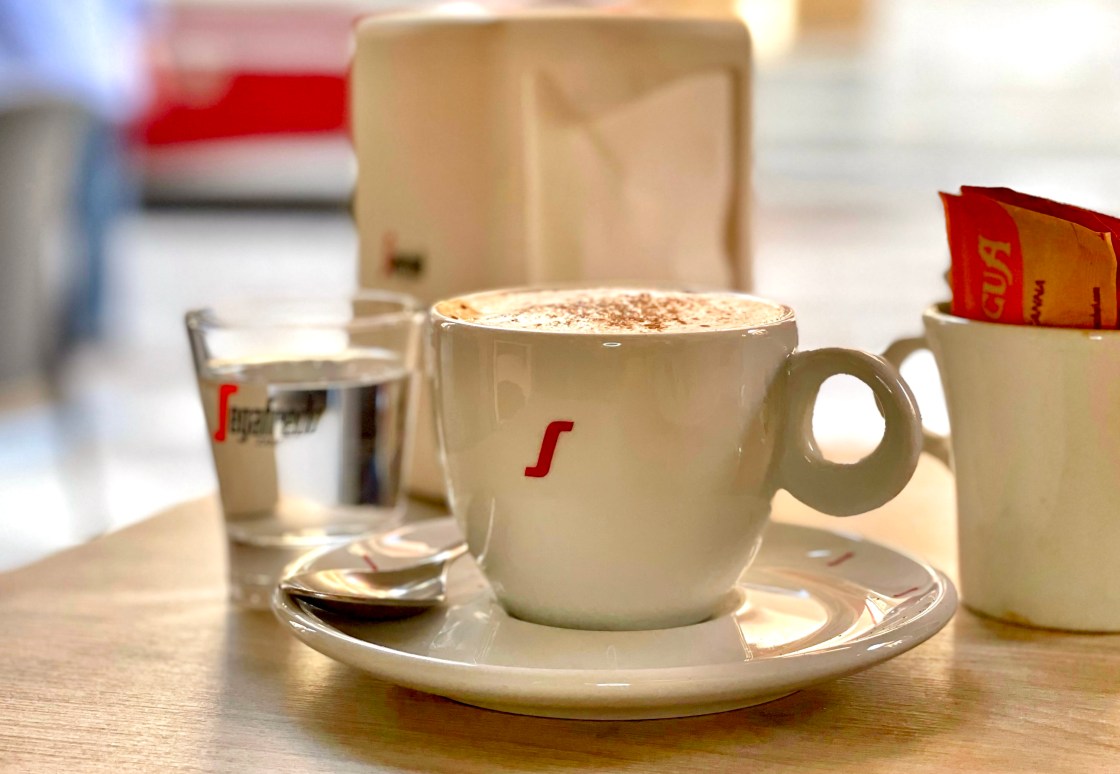
Questo caffè è ‘na ciofeca.
(This coffee is crap.)
~Totò
Italians are serious about coffee. Though coffee didn’t appear in Italy until the 16th century, it quickly became a favored drink. Estimates say that 97 percent of Italians drink coffee. (What’s wrong with you other three percent?)
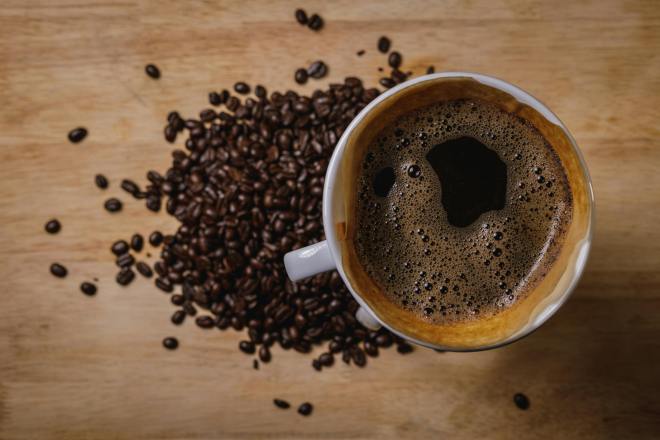
Un caffè, or coffee, in Italy is an espresso as we know it in the US. There are basically three main versions— un caffè, un caffè ristreto, and un caffè lungho. Un caffè is a regular espresso. The ristreto uses less water, and the lungho uses more water. Please note that if you want what we Americans consider a coffee, you have to order an Americano which will get you an espresso and hot water that you can add to make what Italians consider acqua sporca (dirty water).
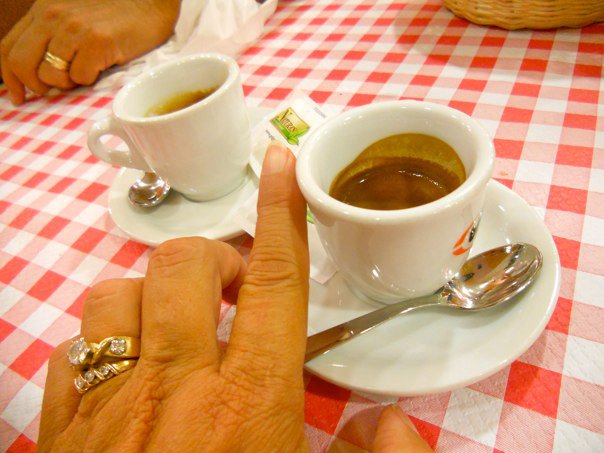

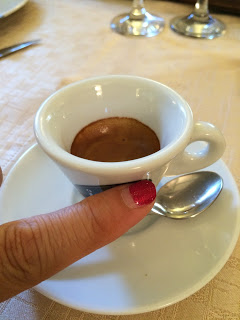
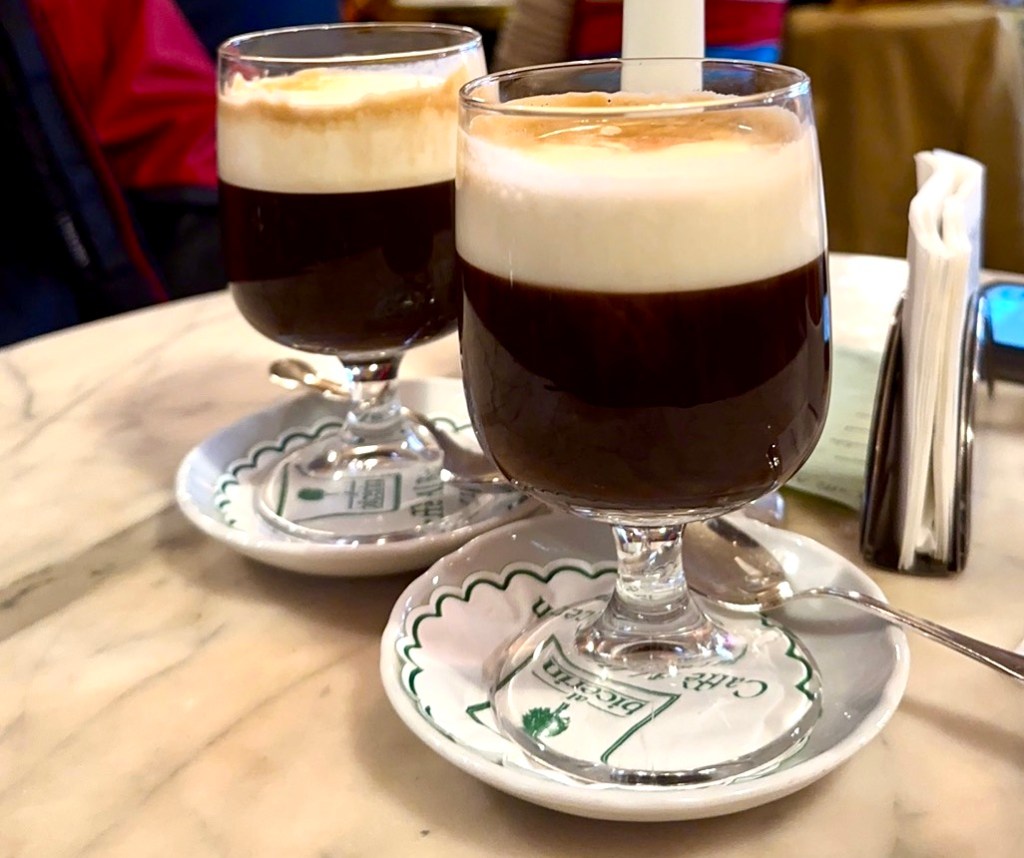
All joking aside, Italians fell in love with coffee because they were able to devise many drinks from it. Un caffè corretto has a shot of licquor added. Un macchiato is caffè with a small dollop of steamed milk on top. Un bicerìn is rich chocolate, caffè, and cream. Un caffè shakerato is espresso, sugar, and ice shaken in a martini shaker and served in a fancy glass. There are many others, but let us not forget the cappuccino.
History of Cappuccino
Contrary to what many people believe, cappuccino did not originate in Italy. In 17th century Vienna, a kapuziner was a popular drink at coffee houses. Mixing coffee with milk or cream turned the dark brown liquid to a shade that resembled the robes of the Capuchin monks, hence the name. The Viennese coffee houses would add heavy cream, sugar, cinnamon, chocolate, and other spices, making the kapuziner quite different from the cappuccino that we know.
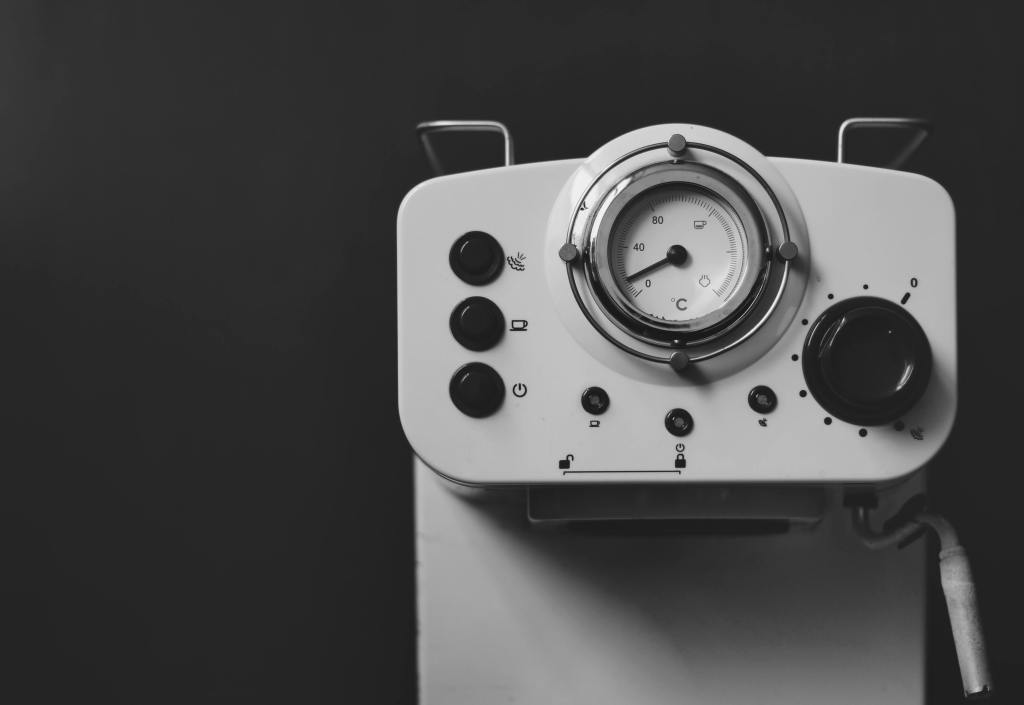
Luigi Bezzera invented and patented the first espresso machine at the turn of the 20th century. By the 1930s, companies had improved on the design and added steam wands. The wands allowed baristas to steam and foam milk to a precise temperature and texture. The thick layer of foam replaced the heavy cream.
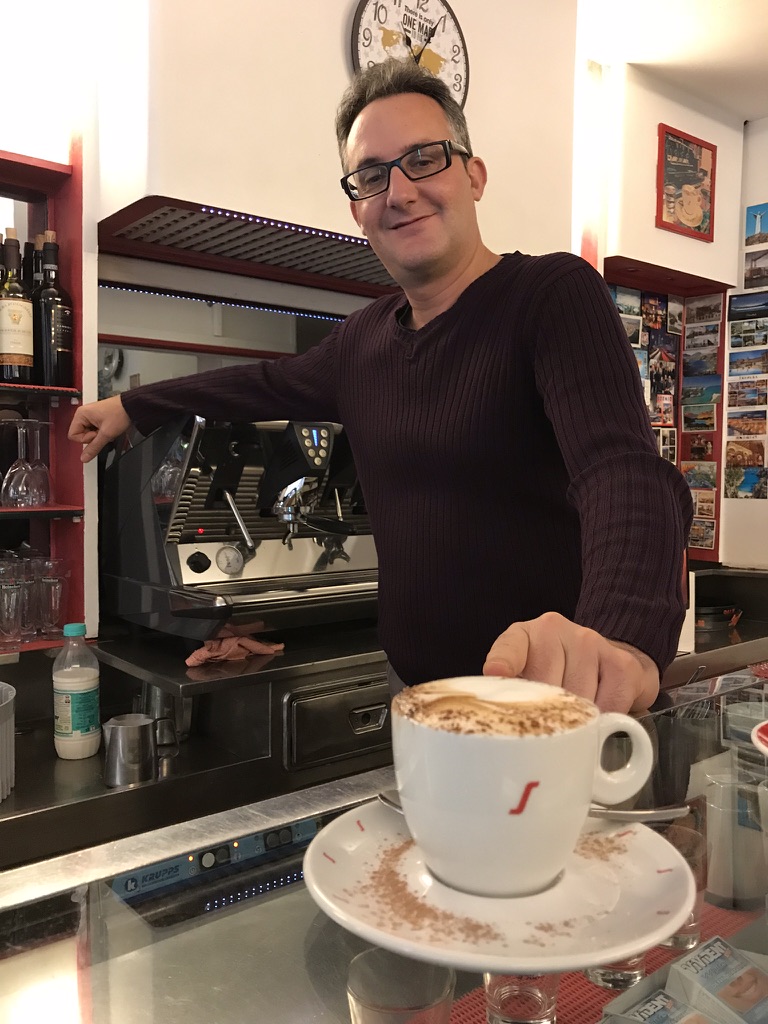
Cappuccini (the plural of cappuccino) became more popular across the globe following the two world wars and the sale of espresso machines outside of Italy. The renaissance of coffee houses in the late 20th century aided in bringing cappuccino stateside.
Back to My Original Question
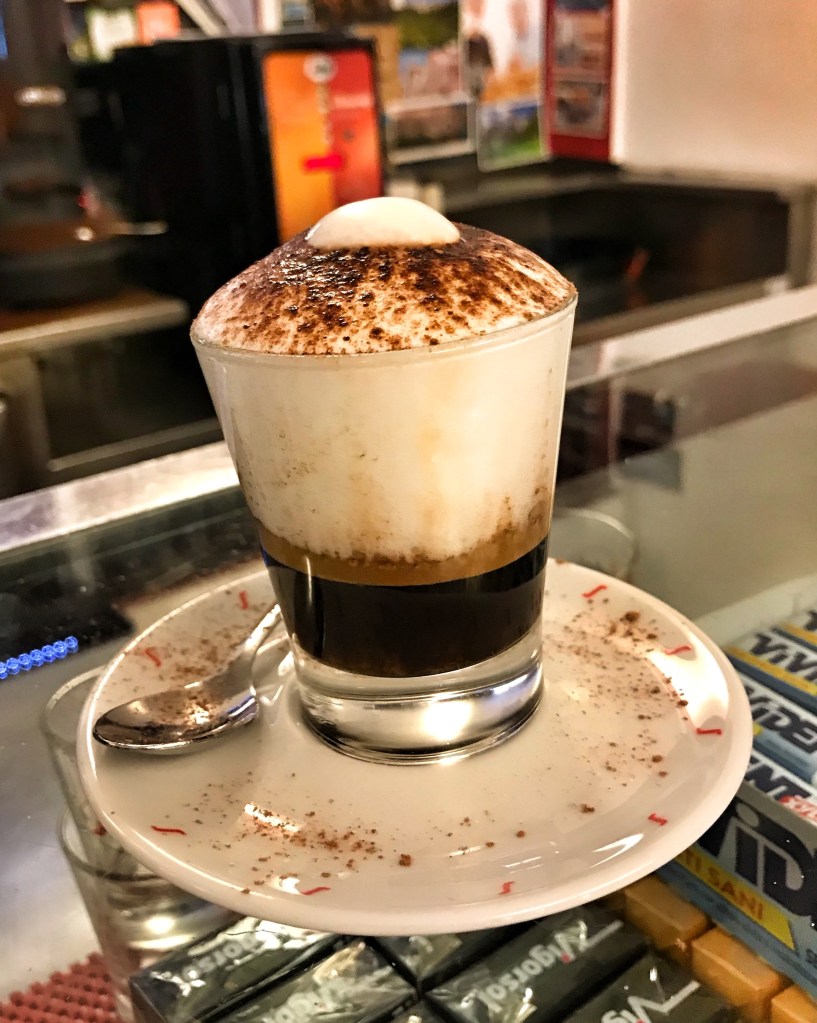
Ideally, a 5-6-ounce cappuccino consists of three equal parts of espresso, steamed milk, and foam. You will not find wet or dry cappuccini, flavors, or any other iteration that Starbucks, Caribou, and other companies have popularized in the States. I rarely order cappuccino in the States because every time I do, I end up with a cup of something that I do not recognize as cappuccino.
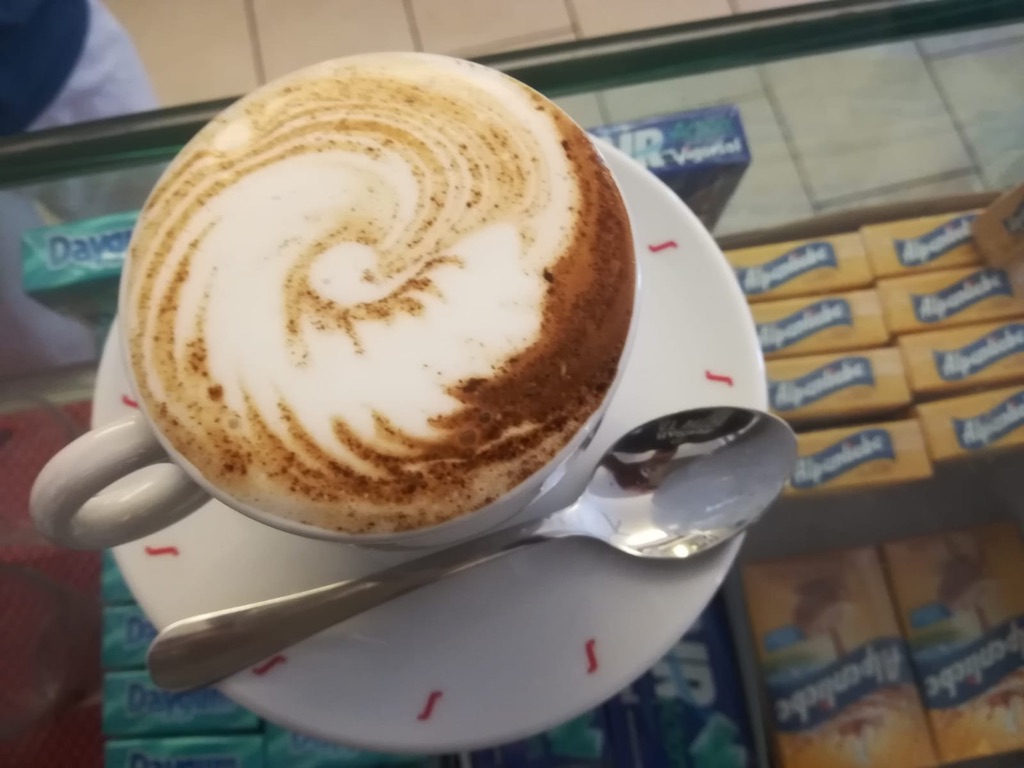
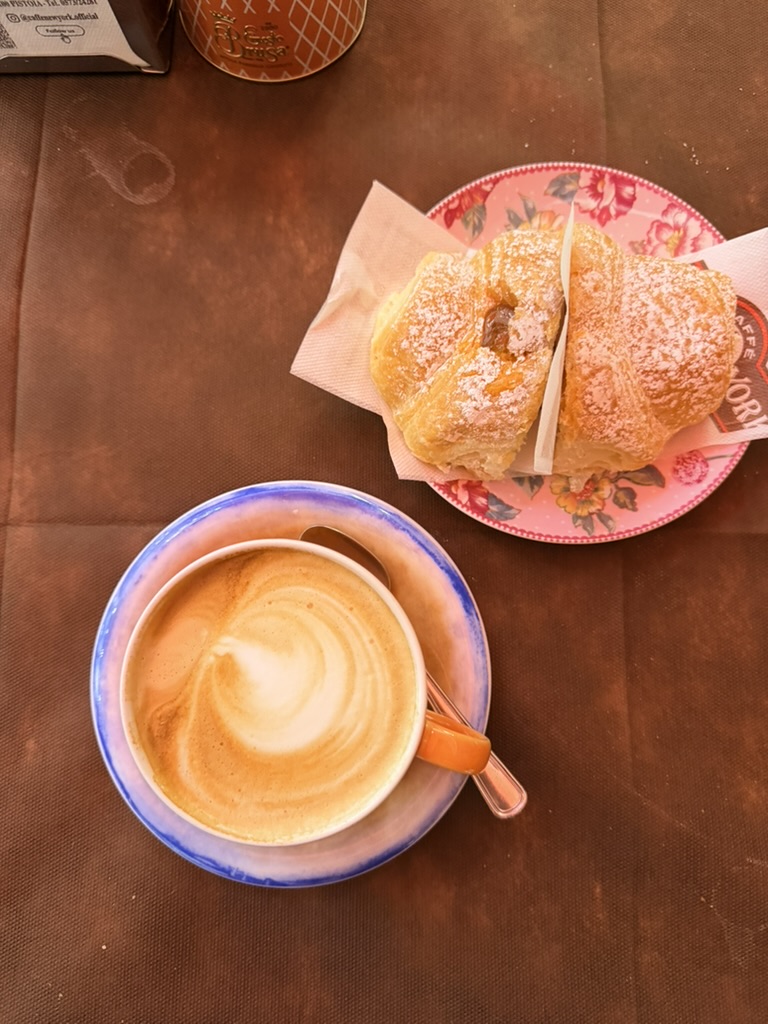
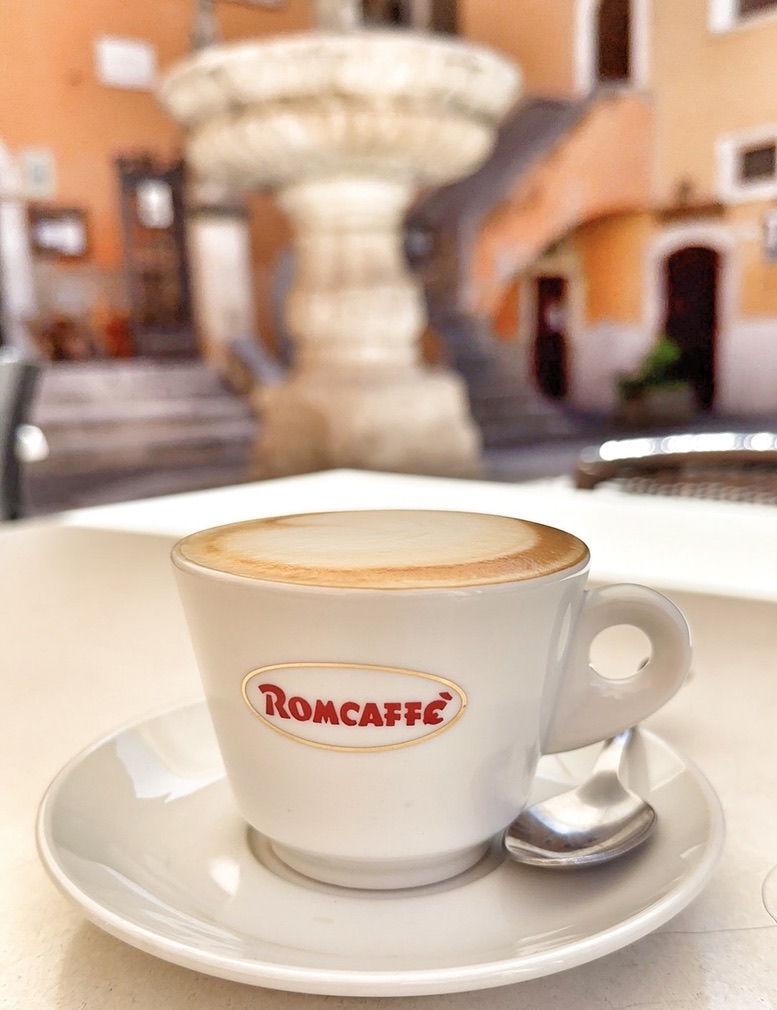
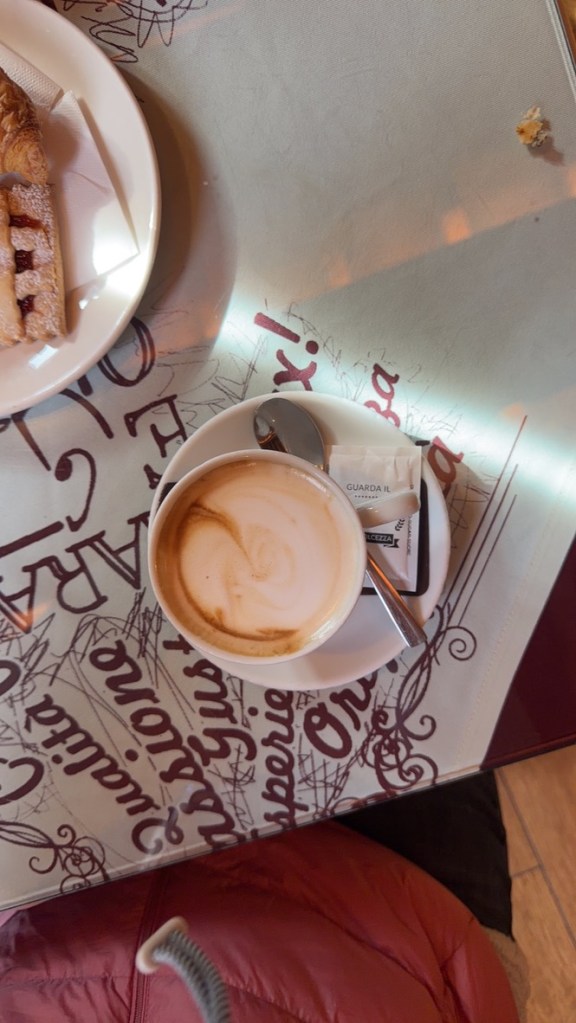
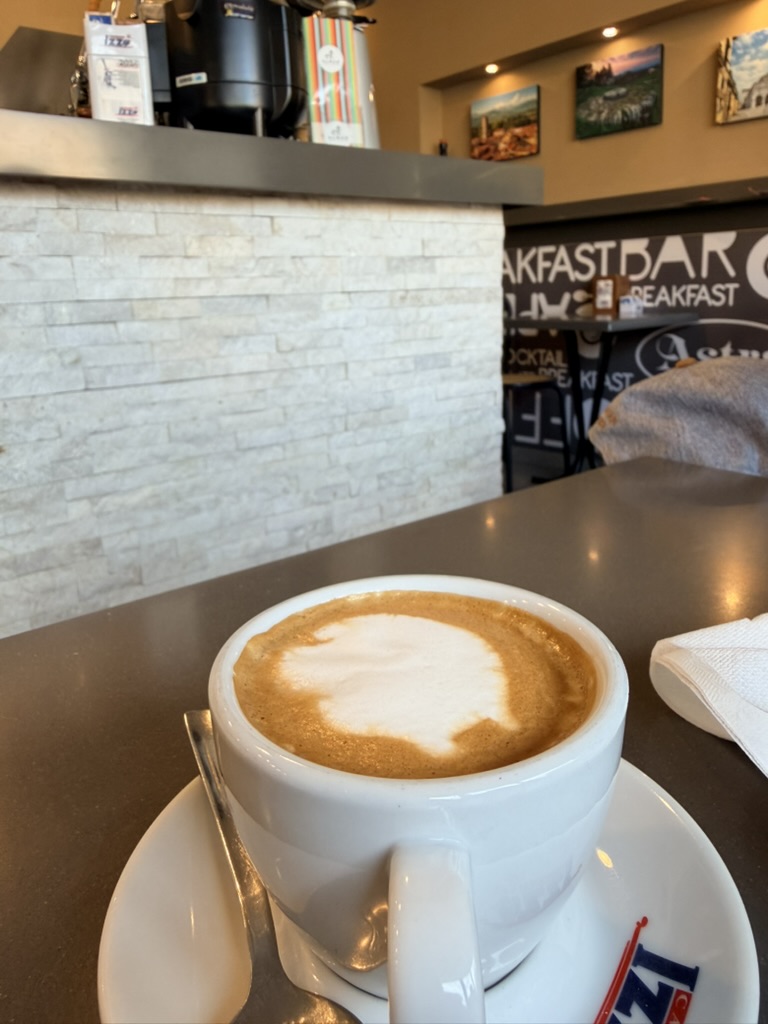
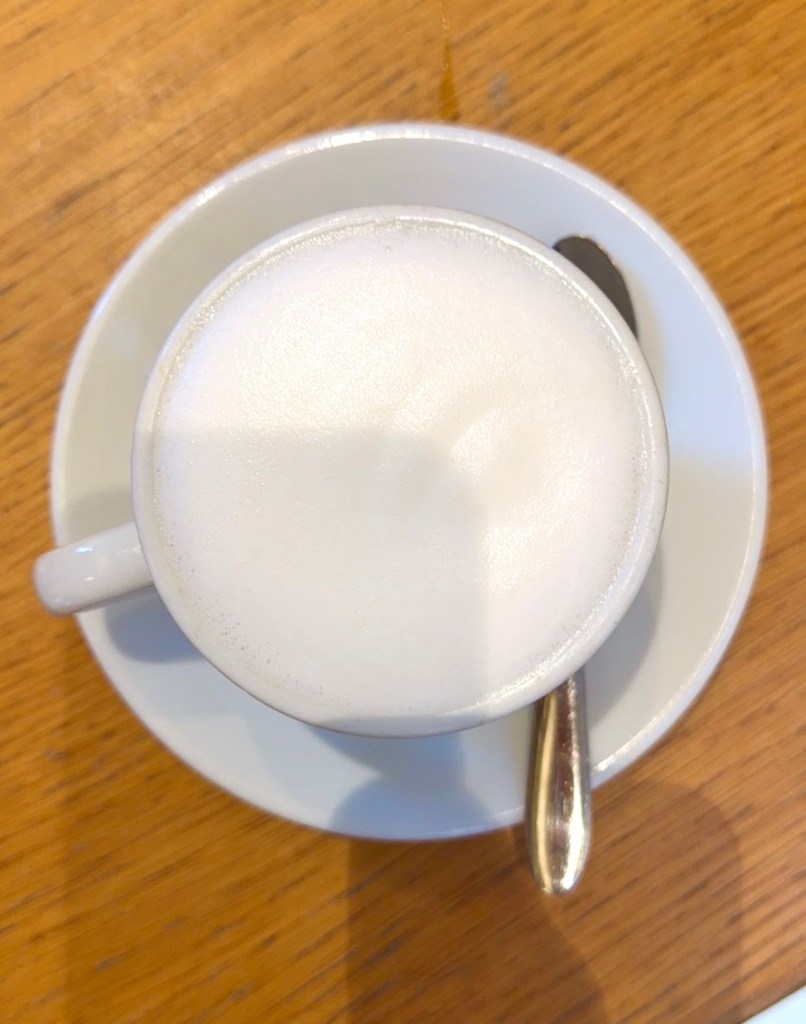
That said, not all cappuccini in Italy are the same. The brand of coffee the bar uses is important to the taste, and getting that important ratio right is key. I’ve been in Lucca 34 days, and I’ve had probably 34 cappuccini, and I have had some really good ones and three really bad ones.
The top three photos above are of cappuccini that I really like on a regular basis. Even though I haven’t been to Bologna (left) or Pettorano (right) this trip, I always get a good cappuccino at Bar Santo Stefano and Bar al Castello. In Lucca, my go-to is Tessieri. I’ve tried others, and most are okay, but Tessieri is consistent.
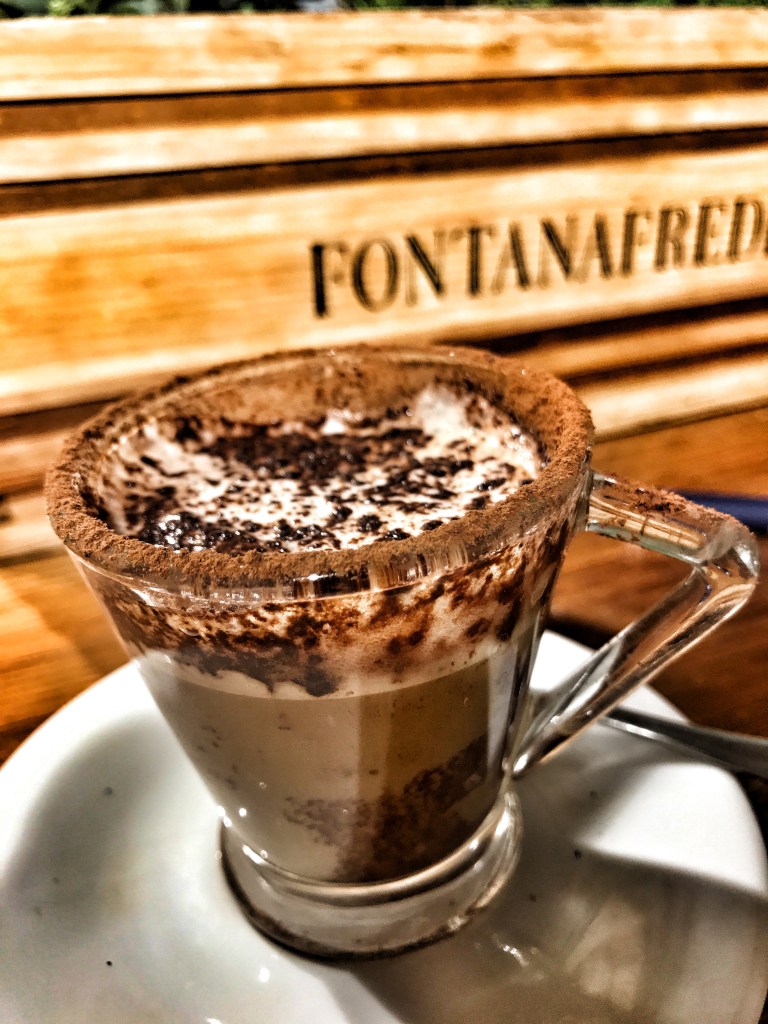
The bottom photos are of cappuccini that were just awful. The one on the left was lukewarm, to start, but the coffee itself tasted burnt. (Even the pastry was horrible.). The middle cappuccino was another one where the coffee was bad, but it also had the wrong ratio of coffee to milk to foam. The last one was from the bar I like almost as much as I like Tessieri, but that day there was a different barista working. She gave me a cappuccino that was definitely more milk and foam than espresso. As I did with the other two bad ones, I left most of it.
As Totò said, Questo caffè è ‘na ciofeca!

 coldpastaandredwine.com