
Viareggio: It’s a resort with the
mentality of a proper city
~ Unknown
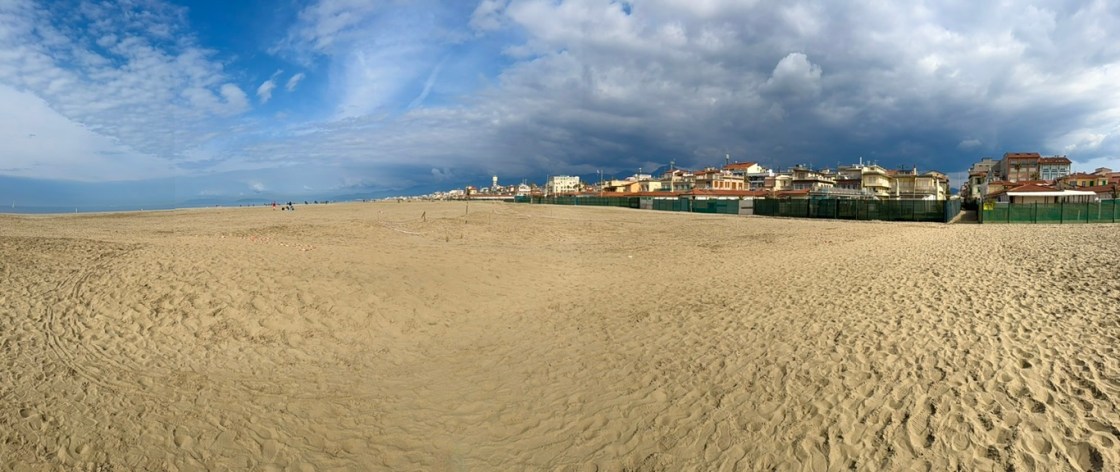
“How did it get the name Viareggio,” Mike asked me as we waited for the train to take us back to Lucca. We had spent the previous three-plus hours roaming the streets and beaches of Viareggio. Located on the Tuscan coast between Livorno and Carrara (of marble fame), Viareggio is a seaside resort known for its annual carnevale (carnival).
“The name means “way of the king,” I think,” I replied.
“Maybe it’s ‘Way of Reggie Jackson,'” Mike retorted. I looked it up to be sure, and I was pretty much right.
“It comes from ‘Via Regis (King’s Road)’ which referred to the royal road that connected a fort on the sea to Lucca,” I told him.
“I’m going with ‘Reggie Jackson Way,'” Mike said. I wasn’t surprised.
Background
Viareggio’s history is tied to the sea and dates back to the Middle Ages when it served as the port for Lucca. During the 16th century, Lucca gained control over the coast and built defensive structures to protect against pirate raids. Over time, the small fishing village transformed into a modest maritime center.
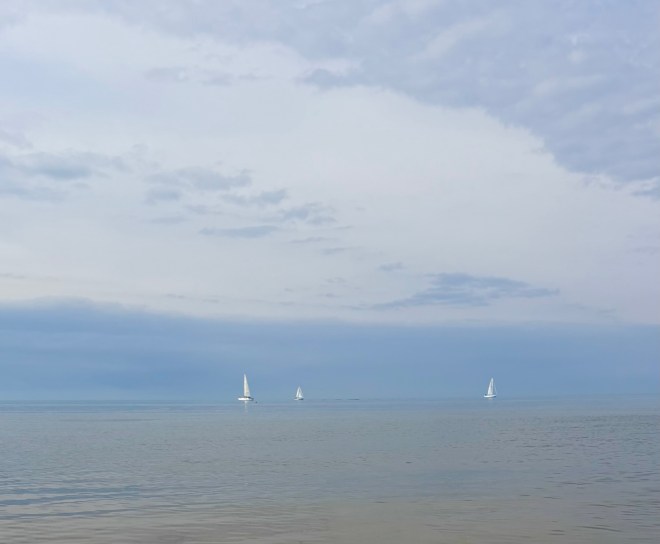
By the 19th century, Viareggio had transformed into a fashionable seaside resort. Aristocrats and intellectuals flocked to its sandy beaches. Renowned composer Giacomo Puccini, who was born in Lucca. lived in Viareggio for 30 years and composed Tosca, Madame Butterfly, La Rondine, and other operas there.
During that time, Viareggio managed to become one of Tuscany’s most famous seaside resorts. The arrival of rail service and other transport methods made the town more accessible to visitors from all over Tuscany and Italy. Investors built hotels, villas, seaside promenades, and bathing establishments along the coast. In the late 19th-early 20th centuries, Viareggio added more maritime industries, tourism, and cultural experiences (Think Carnevale!) to turn it into a vibrant coastal destination.
Carnevale is King
In 1873, a group of local citizens organized a festive parade of decorated carriages along Viareggio’s waterfront promenade. Originally the parade was a way to criticize political leaders and social issues through humor. Its sarcastic start marked the Viareggio carnevale’s long tradition of satire.
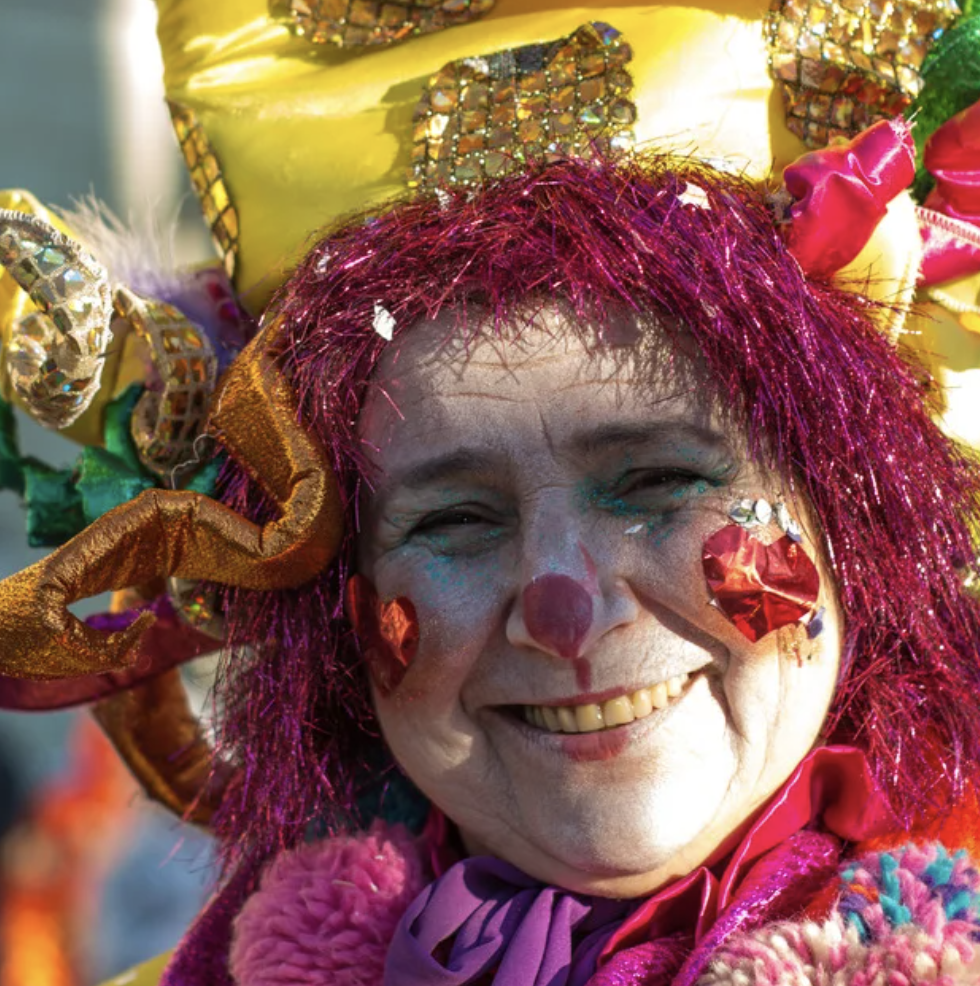
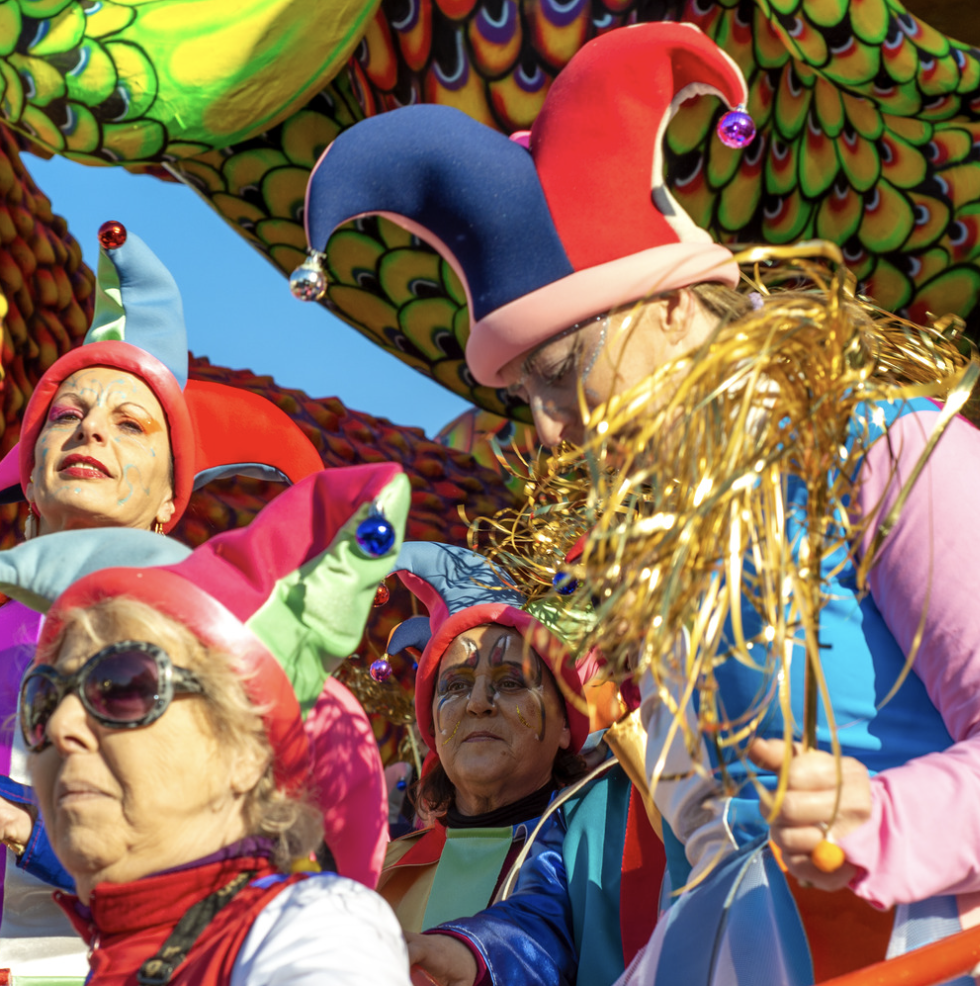
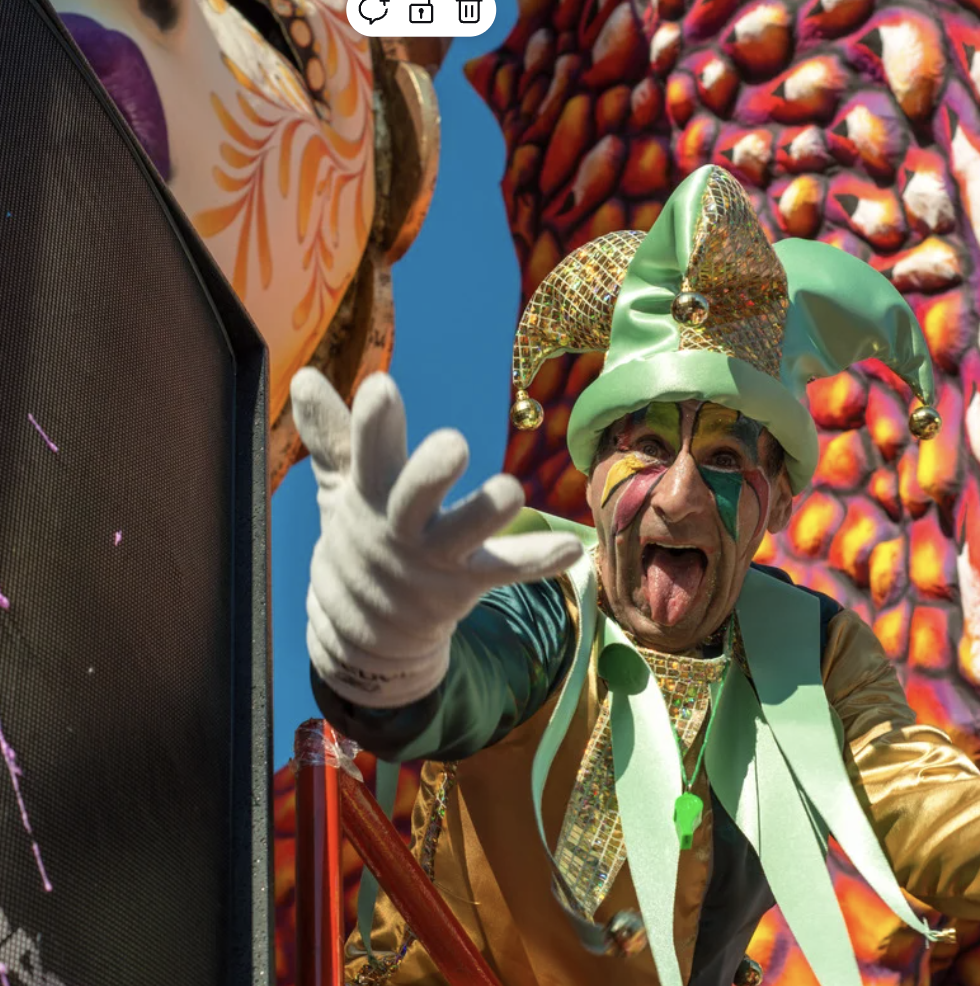

In the early 20th century, residents started building huge papier-mâché floats for the parade, and since World War II, Carnevale has become one of the most important cultural festivals in Italy. Many of the floats still depict caricatures of politicians, celebrities, and global events.
Hundreds of thousands of people (Not I!) attend the month-long carnevale in Viareggio. Carnevale 2026 is barely over, and they already have a schedule for 2027, which you can find on the Carnevale di Viareggio website (Click here.)
There is also a museum in Viareggio dedicated to Carnevale. You can find information on it via that link above, also.
Lazy Sunday in Viareggio
Luckily for me, we missed being in Viareggio during carnevale by a week. (Side note: In case you are not aware, I do not do well with crowds.) We did, however, walk along the beach a bit before we headed to the main corso where we stumbled upon an antique car show.
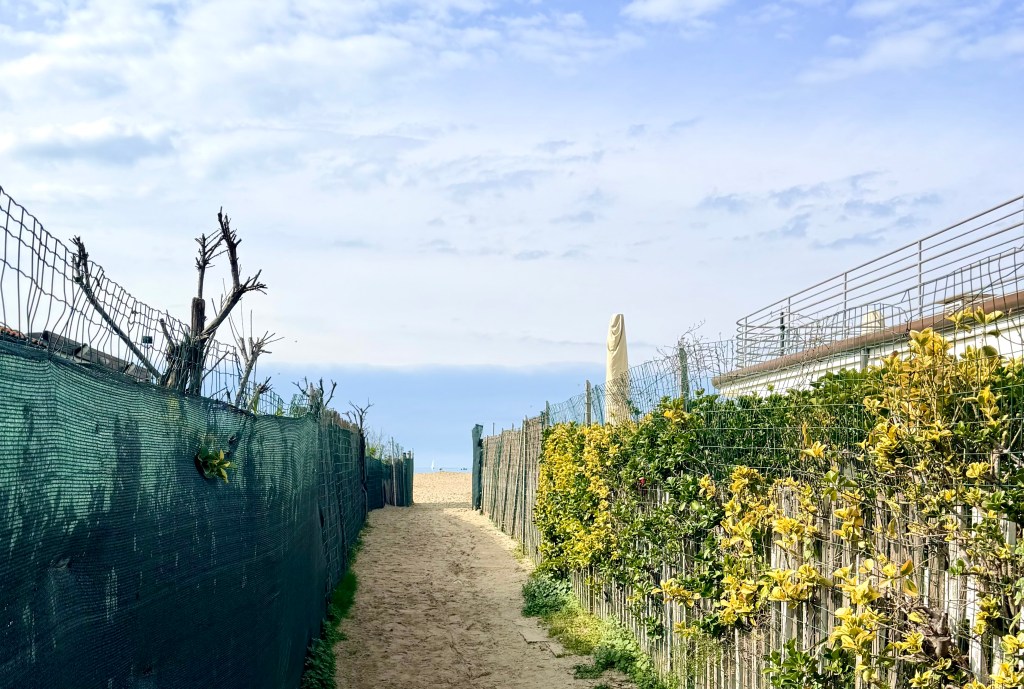
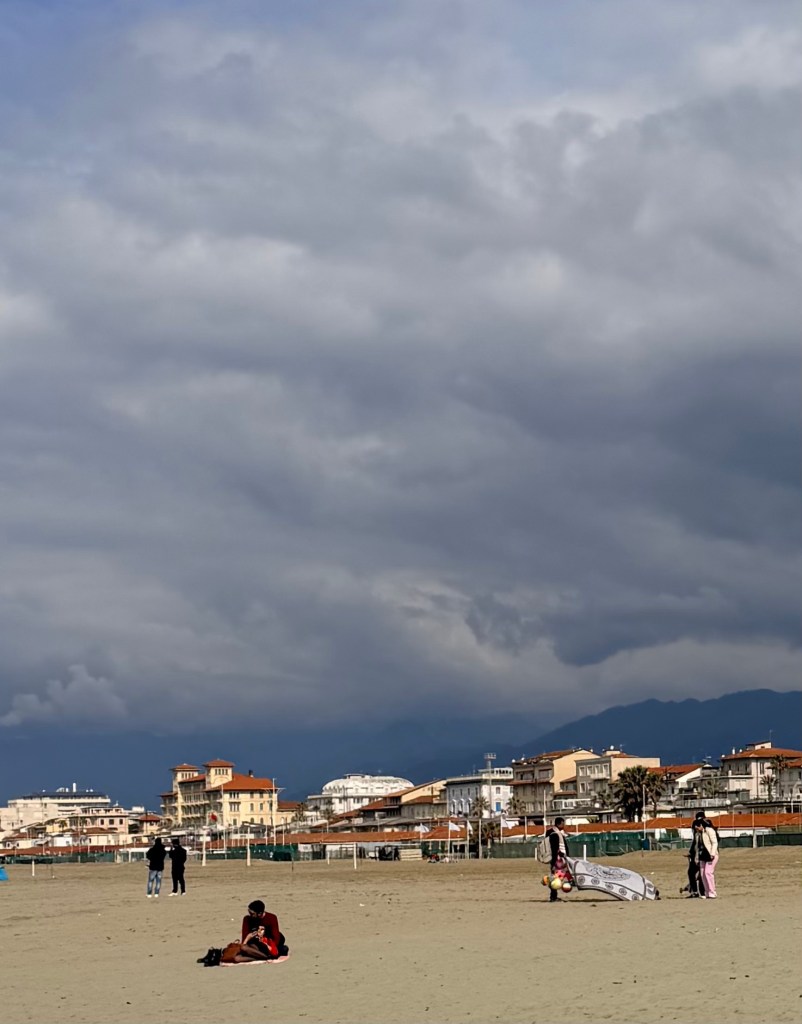
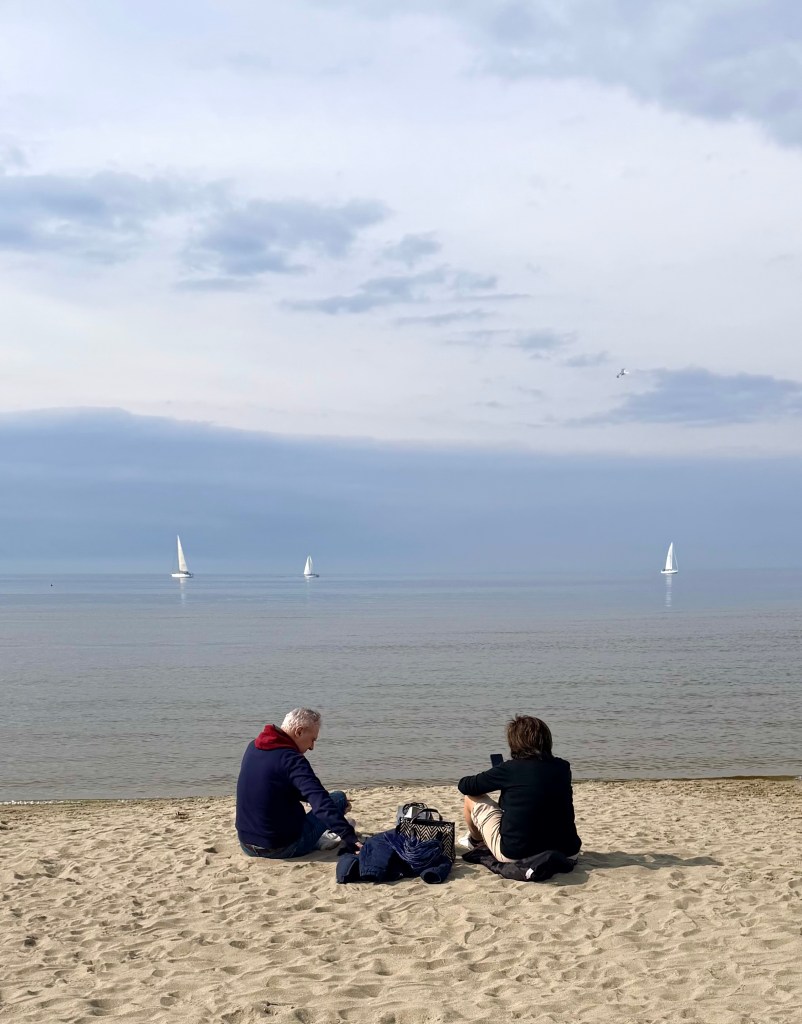
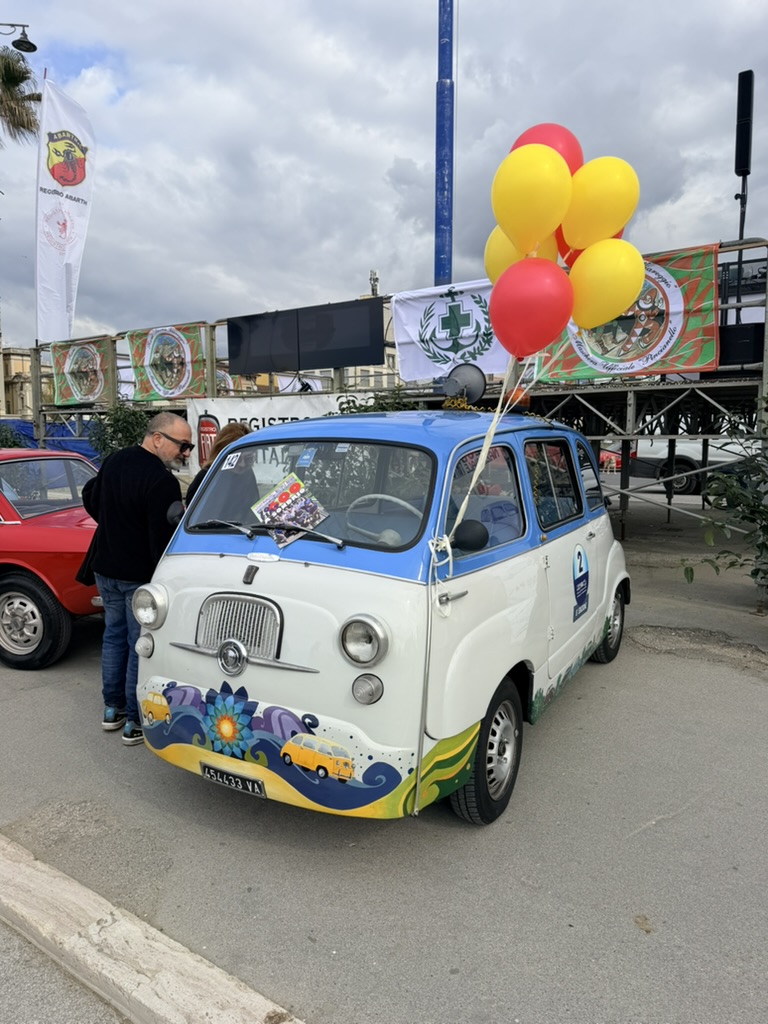
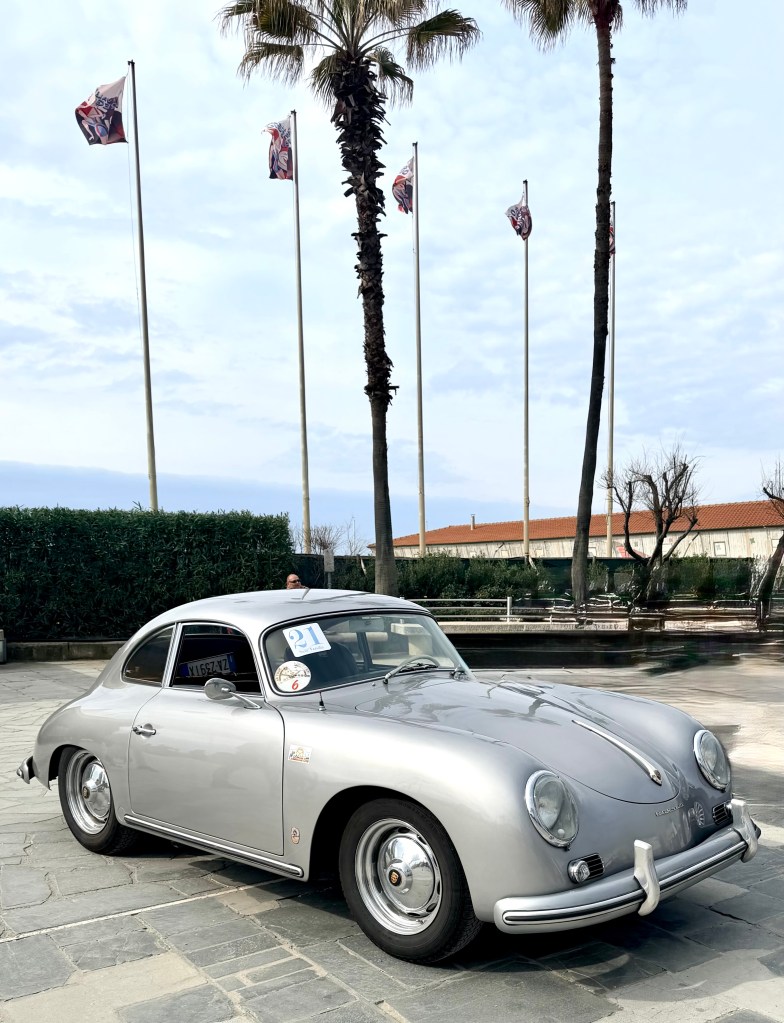
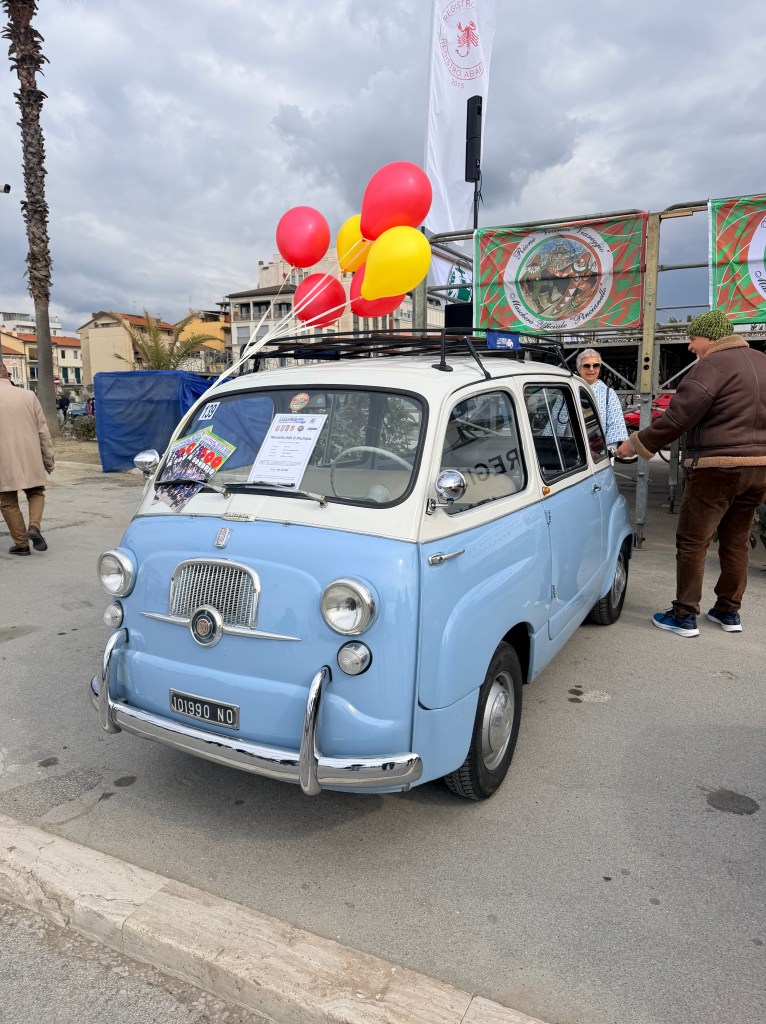
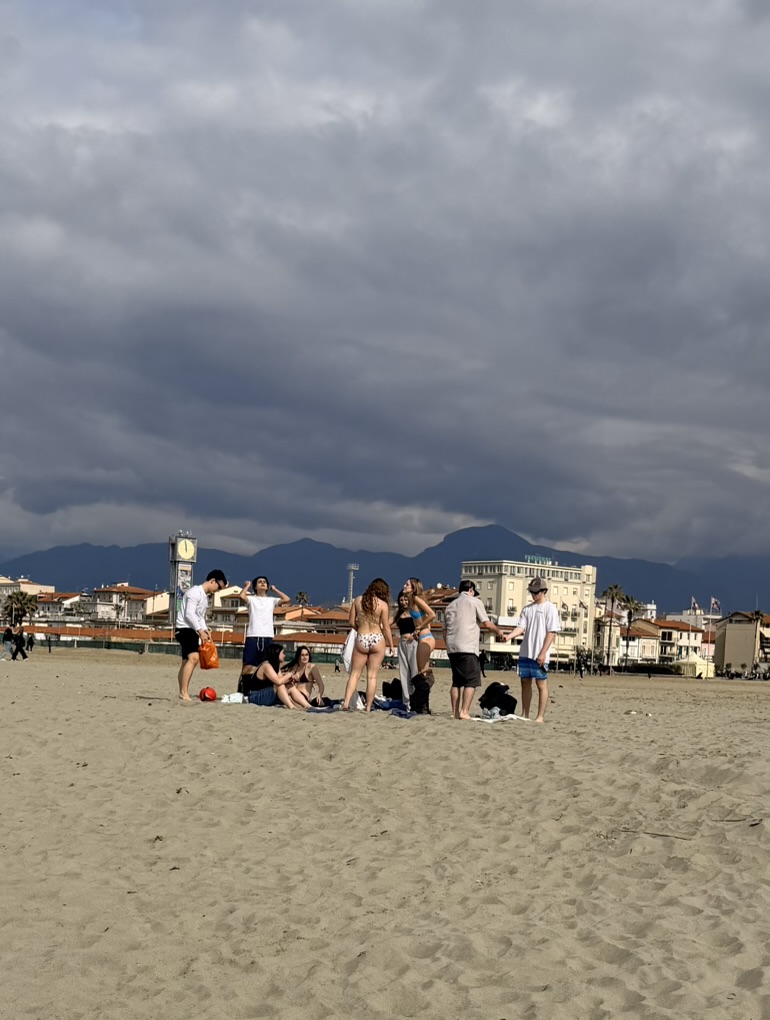
Even though it was chilly, we found many people walking the beach or sitting and enjoying the sunshine. A few brave gals (We could tell they were American from their speaking.) got about hip-deep in the water before running back out and wrapping in beach towels. The only one who seemingly enjoyed jumping around in the water was a Black Lab who loved coming out and christening his owners with sea water. I was a little too slow on the camera to get photos or videos of him, but he was having fun.
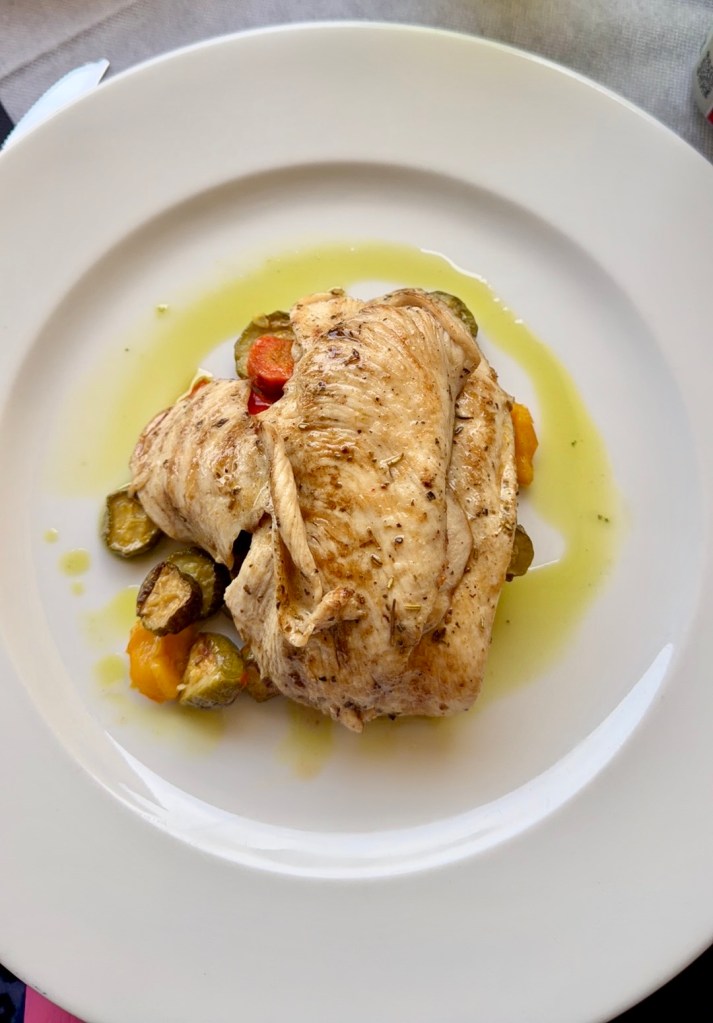
We decided to have lunch in Viareggio, and I was a bit disappointed that we couldn’t find a place on the water. Now, I will say that we didn’t look too hard, and a lot were closed since it is not tourist season. But, we found Kalika, a tiny restaurant with tables outside and a rather nice menu. Mike had spaghetti pomodoro (spaghetti with tomato sauce), and I had grilled chicken and veggies (above).
Even though we were in a tourist area, the restaurant’s food was fresh and cooked nicely. My chicken consisted of three thin slices piled on fresh zucchini, carrots, and peppers. I brought a lot of it back to Lucca with me, so I enjoyed it again the next evening for dinner.
Would You?
Would I ever stay in Viareggio? Probably not as I’m not a beach person. It held my attention for one day, but I was itching to get back to Lucca by the time we hit the train station.

 coldpastaandredwine.com