Lucca, he said, is vivibile. Vivibile means livable. That is a perfect word to describe Lucca. Building a life here is wonderful because the city is livable.
~Unknown
Not long after Mike and I moved back to Las Vegas in 2009, we met a couple who had spent a considerable amount of time in Italy. Tom, the husband, was Abruzzese as I am, and it turns out his father’s village was not too far from Pettorano, my grandparents’ birthplace. We became good friends, discussed their time in Italy, and received advice from them on staying in places that would be new to us. One town they highly recommended was Lucca, a historic Tuscan city located between Pisa and Florence.
In 2010, Mike and I spent a few days there, and we returned for 10 days in 2014. We enjoyed the town so much that we visit whenever it’s possible…and I like to take my groups there so they can see a part of Tuscany that is more than Florence.
About Lucca
Founded by the Etruscans around 180 BC, Lucca eventually fell under Roman rule. By medieval times, it
flourished as a wealthy silk republic and banking and trade center. During the Middle Ages, Lucca was a formidable independent city-state. In the early 14th century, Lucca’s power briefly rivaled those of Florence and Pisa, and it managed to preserve its sovereignty for centuries. In 1805, Napoleon established Lucca as a monarchy and installed his sister Elisa as Princess of Lucca. Eventually, Lucca became part of the Kingdom of Sardegna and joined in the formation of the Italian Republic in 1861.
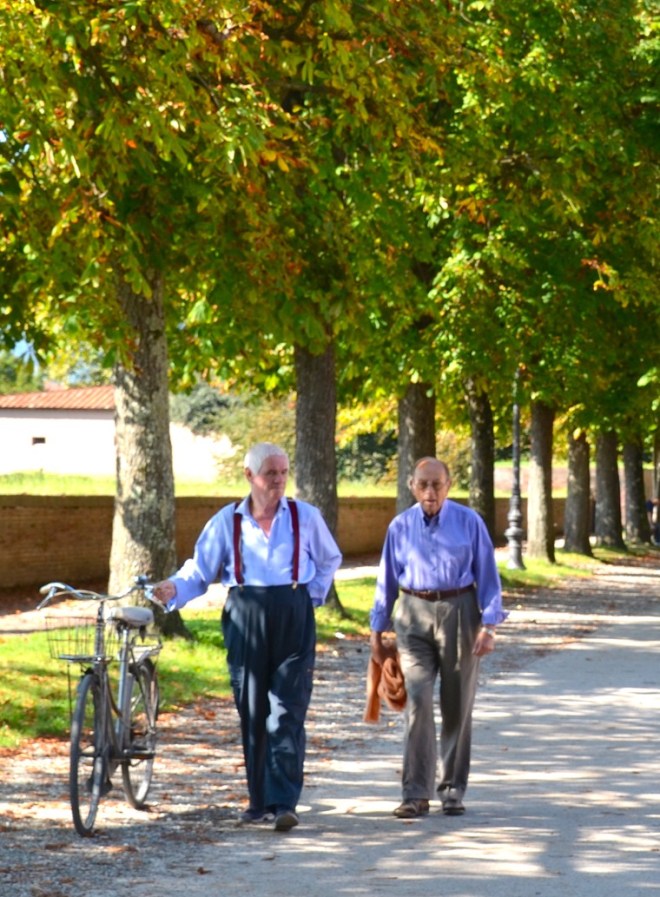
Lucca is famous for its Renaissance (16th-and 17th-century) walls that encircle the historic city center. The ramparts, originally built to protect the city from invaders, now have broad, tree-lined paths along the tops for strolling and cycling. The town’s historic center within the walls remains relatively intact.
Today, Lucca is a hotbed of culture, history, and art. The Lucca Summer Festival is a large outdoor concert held in Piazza Napoleone. Performers for 2026 include Katy Perry, David Byrne, Alabama Shakes, and Neil Young & the Chrome Hearts. Lucca Comics & Games, the city’s annual comic book and gaming convention, takes place at the end of October and brings tens of thousands of attendees to the town. (Note I am not there during this time for a reason.)
Two other things I should mention about Lucca are the facts that it is the birthplace of the composer Giacomo Puccini. Among others, he wrote La Bohème, Tosca, and Madama Butterfly.
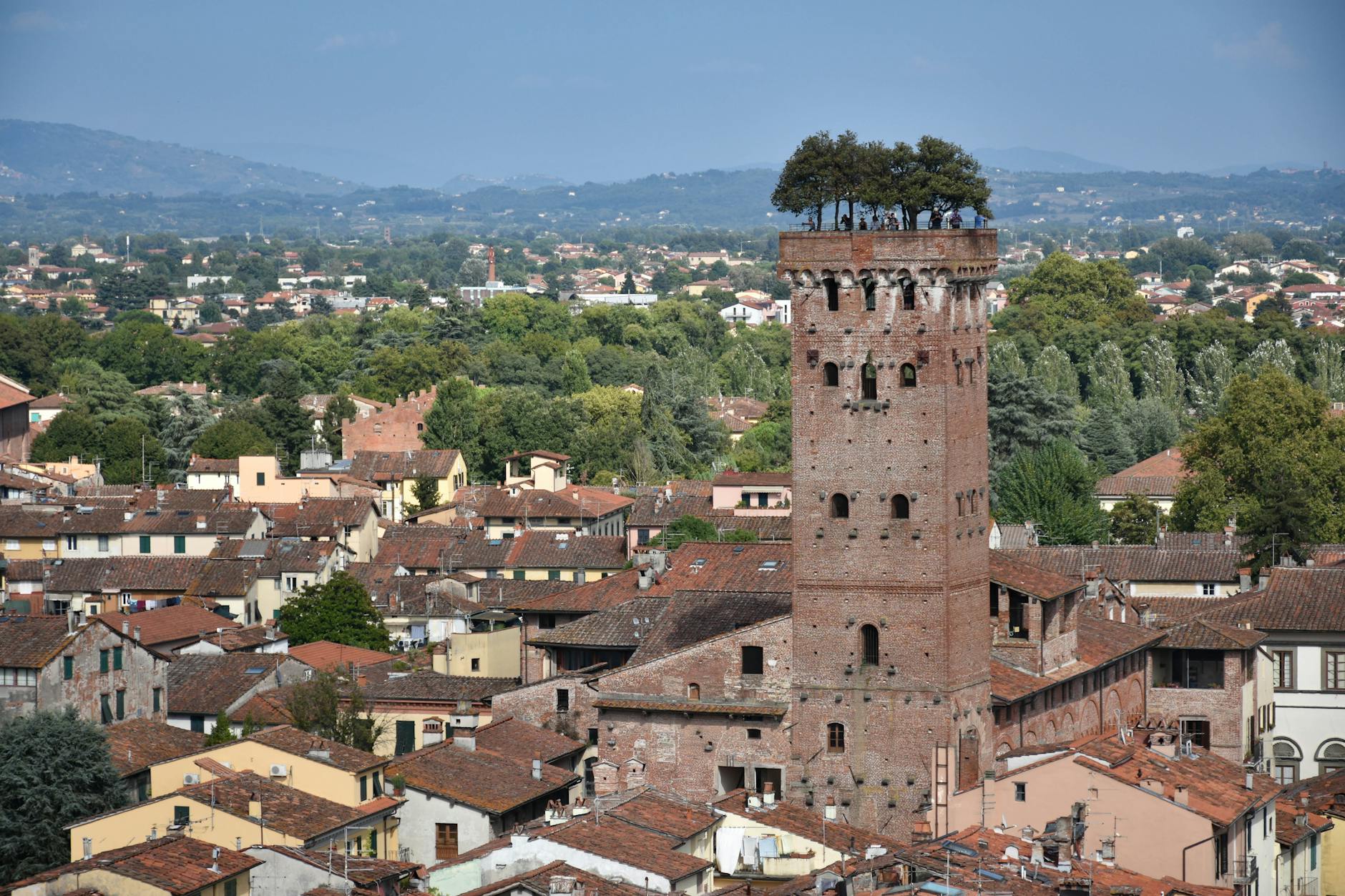
Also worth noting is Guinigi Tower, built in the 14th century by the wealthy Guinigi family. During that time, there were dozens of towers all over Lucca (as there were in other Italian towns). The Guinigi family added a garden to the top of the tower by planting Holm Oak Trees as a sign of renewal and endurance. The trees remain to this day, making the tower a symbol of the city.
The Apartments
Mike and I will be staying in a 14th-century building where we’ve stayed before. While the owner is an Italian man, the gal who manages the apartments is from the US. She and I have become good friends over the years, and she has helped me out when I needed information while in Lucca.

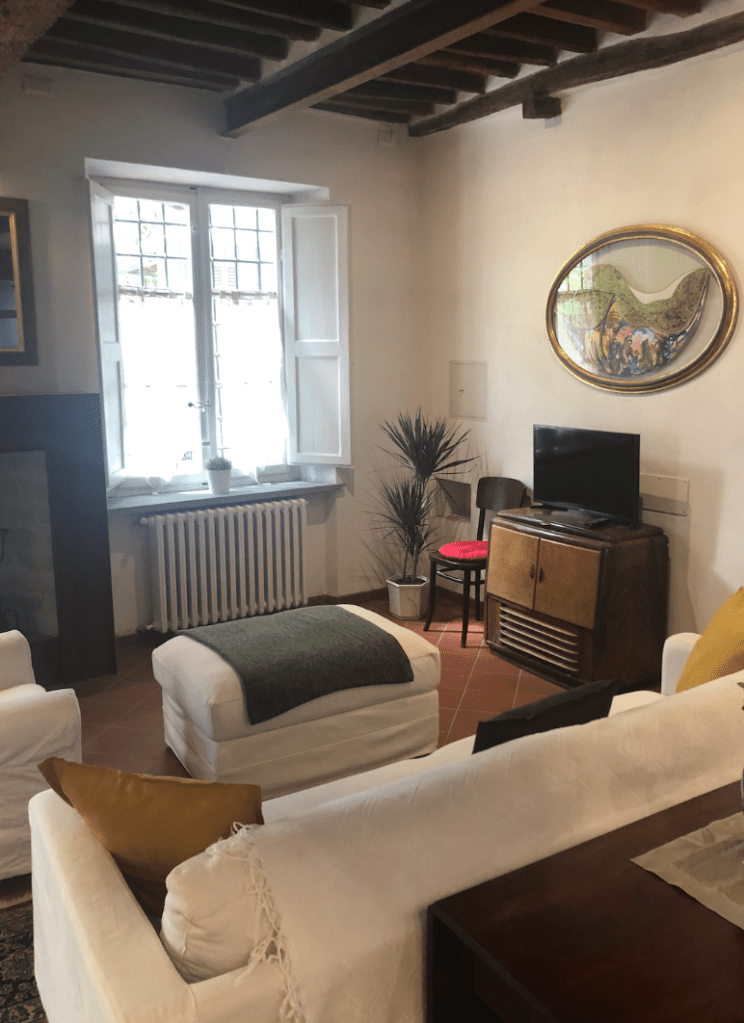

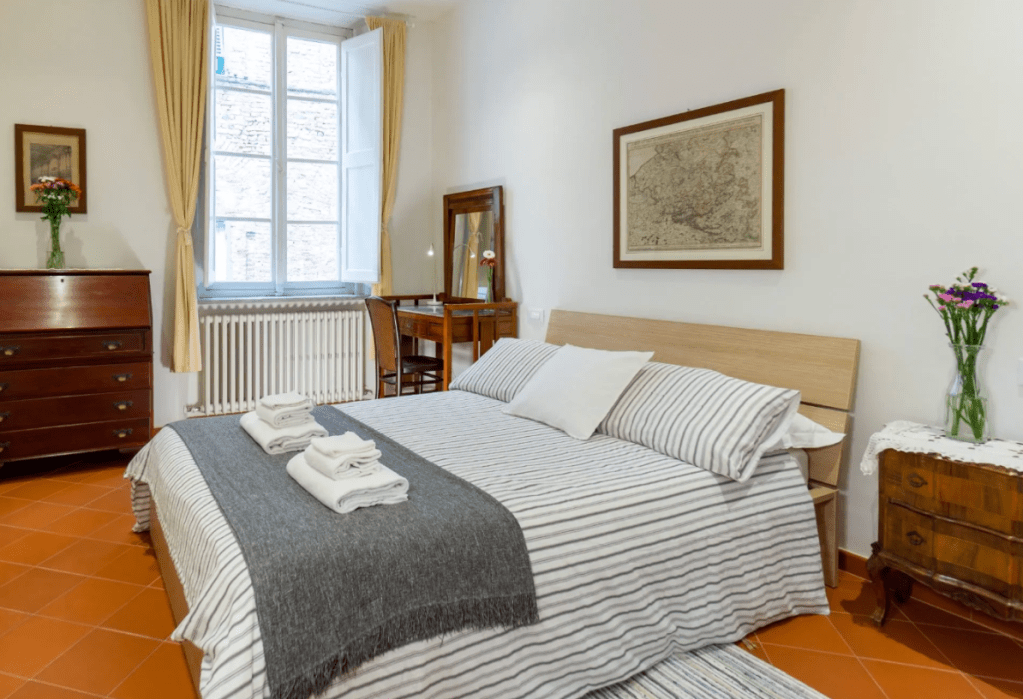
The apartment has everything we need and is in a central location. Since I’ve stayed in the area before, I know where to get a great cappuccino (Tessieri’s), bread (Giusti), gastronomia* (Tuccori), pastries (Dianda), gelato (Piero), pizza (Dante & Gentucca), and aperitivo (Bar San Michele). (*A gastronomia is a food shop where you can buy prepared foods, meats, breads, etc.)
Why Lucca?
Why not Lucca?
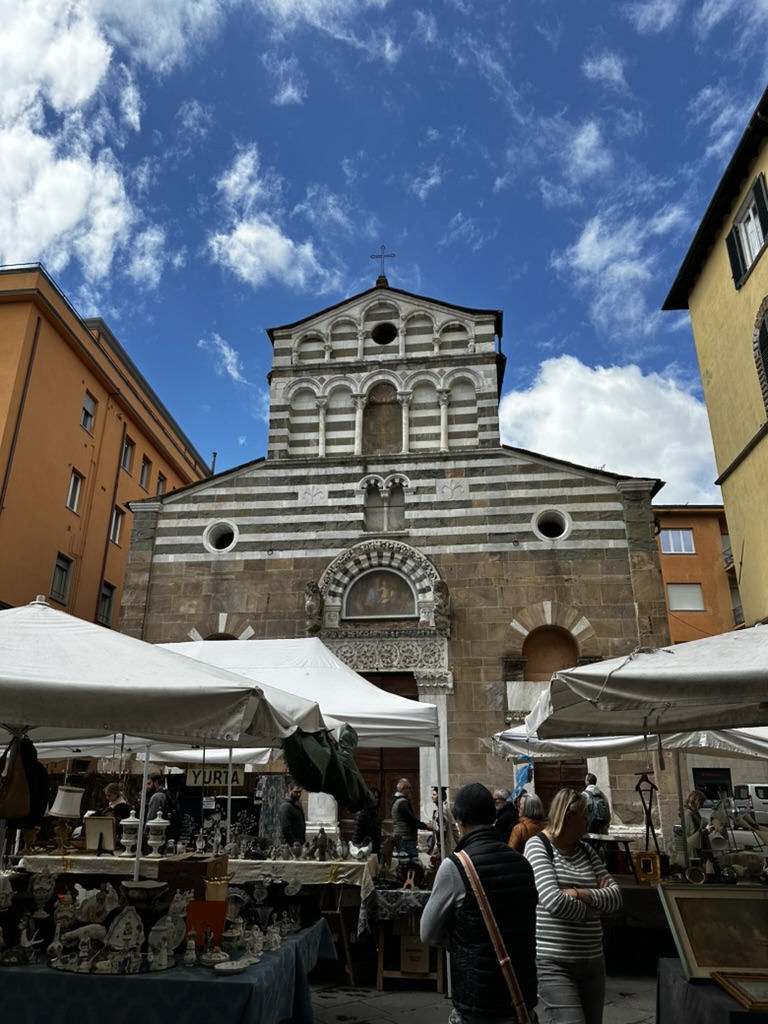
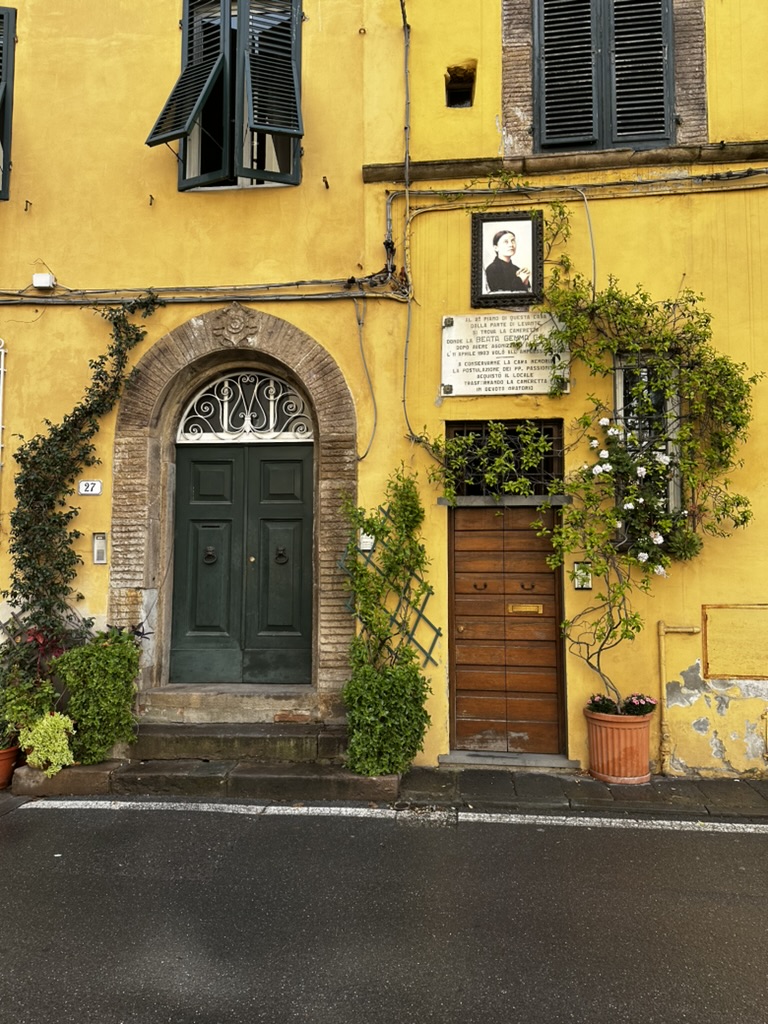
While more tourists are discovering Lucca, the town still is a lot calmer than Florence. The historic center, where we’re staying is very walkable, and most of it is pedestrianized.
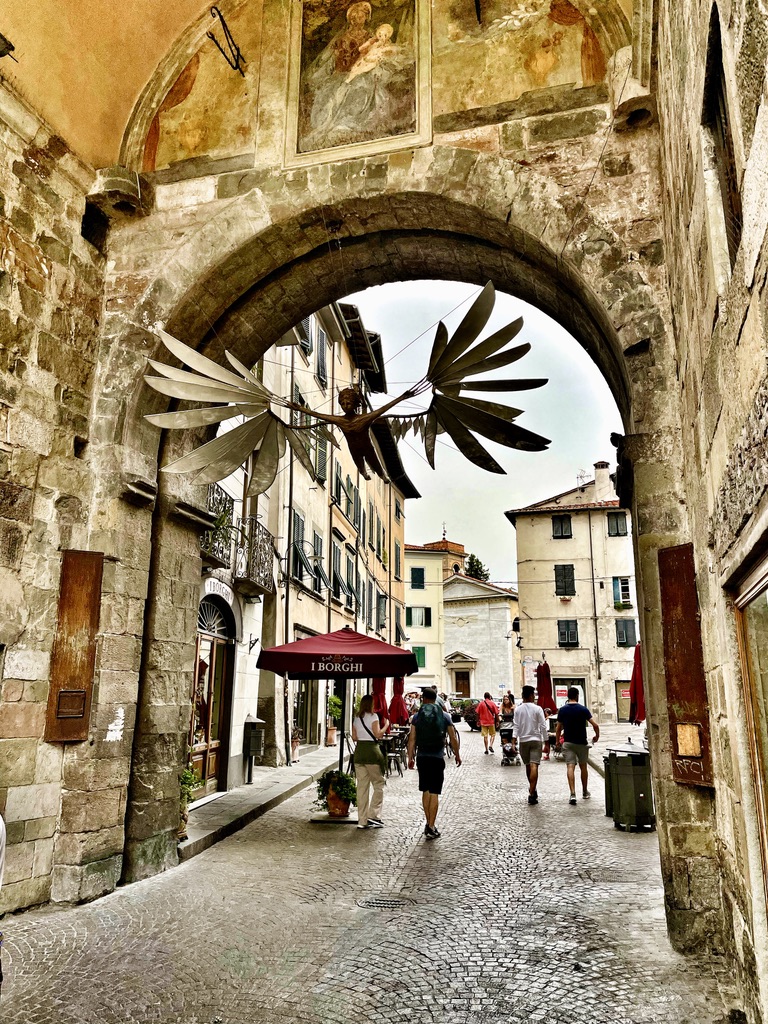
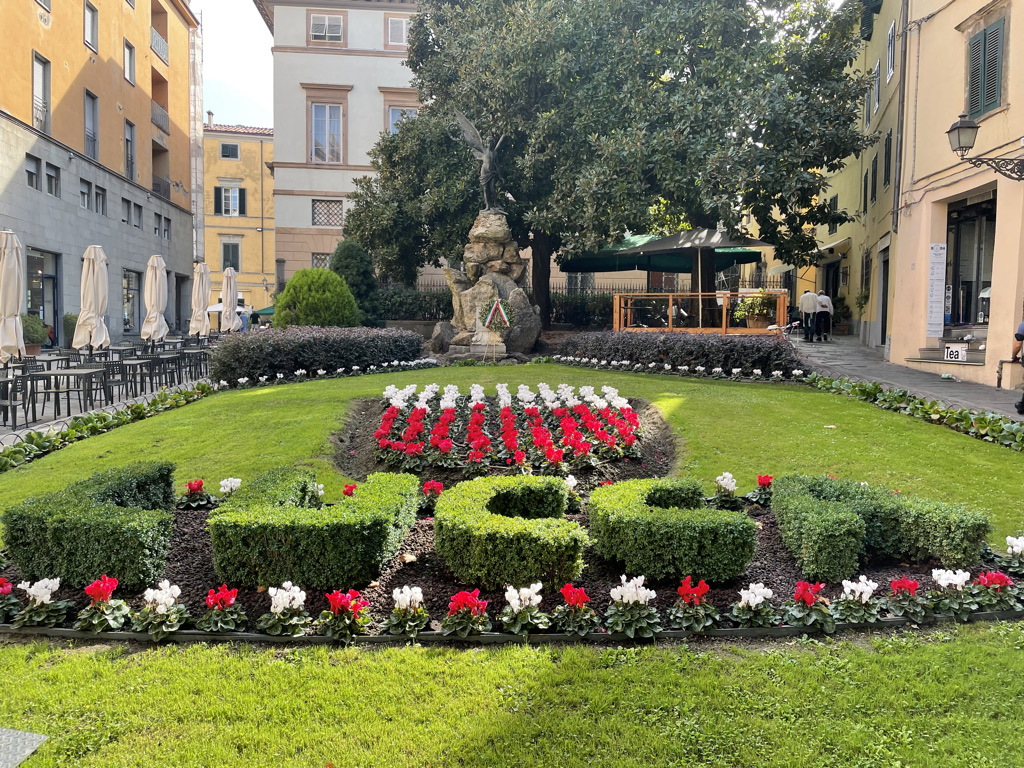
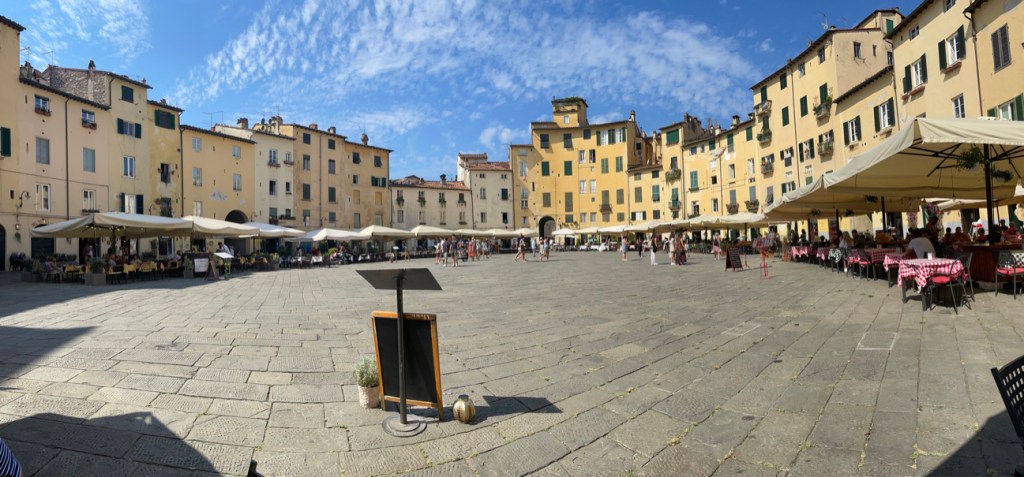
Some people ask why we’re staying in Lucca and not in Pettorano sul Gizio, my grandparents’ hometown. Oh, I absolutely love Pettorano. The big problem for me is transportation. Pettorano is about 10 minutes (by car) from Sulmona, a larger town with groceries, healthcare, the weekly market, train, and more. I would need a car, and I don’t want to drive.
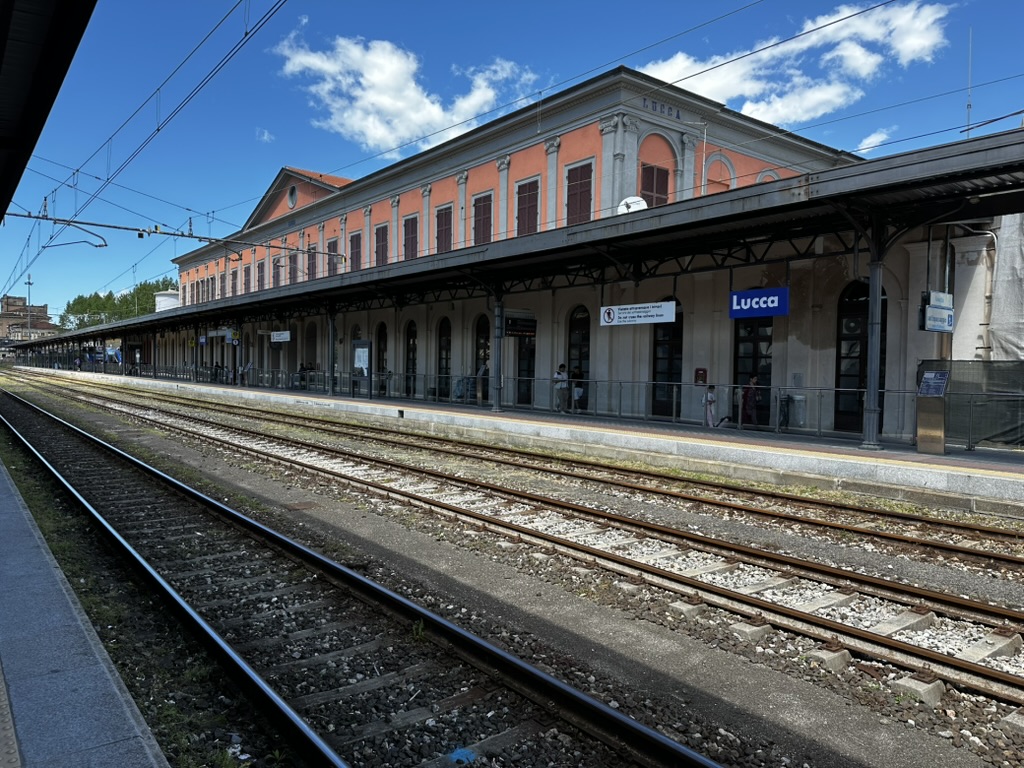
Everything you need is within walking distance in Lucca. In addition, the train station, which is outside of the walls, is only a 15-minute walk away. While the trains that service Lucca are only the regional ones, it’s still easy to get to Florence, Viareggio, CinqueTerre, Montepulciano, and other Tuscan and Ligurian towns.
So, there are the reasons I chose the towns I did, my friends.
Next up: Preparing for a longterm stay…

 coldpastaandredwine.com