

Getting lost is the only
place worth going to…
~Tiziano Scarpa
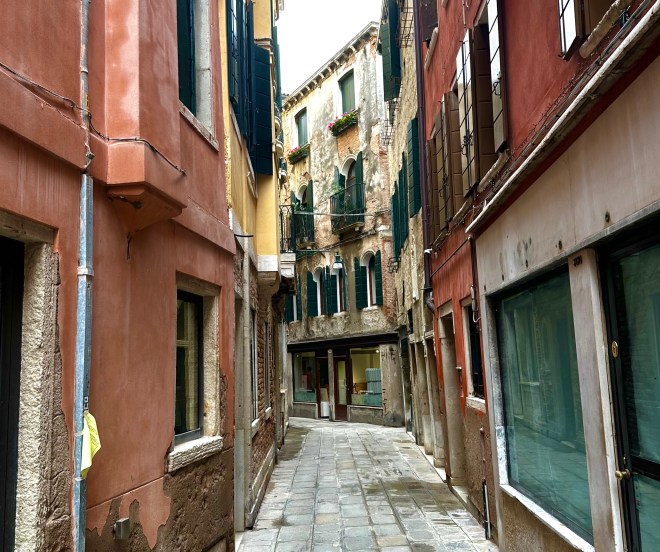
“You must understand,” I tell everyone who goes to Venezia (Venice), “that you are going to get lost everyday. Expect it. Roll with it.”
It took me a long time to roll with it myself. Venezia is a maze of alleys spanning 118 islands connected by over 400 bridges that traverse its canals. Because buildings on both sides block your view, it’s hard to get your bearings when walking. At some point or another, everyone gets turned around and, therefore, frustrated. Frustration, however, can cause you not only to get more lost, but also to miss the beauty that surrounds you. I speak from experience.
When trying to decide where to stay after we leave Lucca in March, I thought of Venezia since my first group arrives there. Mike and I had spent a week there in 2010, and we thought we should try a different place. Besides, I wanted a town where we had never been, a new place that we could explore…and get lost. A friend of mine used to live in Treviso and told me I must, at some point, visit it. There is no time like now, I thought.
Treviso
There are three legends about the founding of Treviso, and depending on which you believe, its origins date to Celtic-Oriental tribes, Osiris (a descendant of Noah), or Dardano (progenitor of the Trojans). The Romans first mention it in the first century BC, and by 89 BC, it had become a Roman municipality. I’ll let the history go at that but add that its Roman roots are still evident in the grid pattern of the city’s streets.


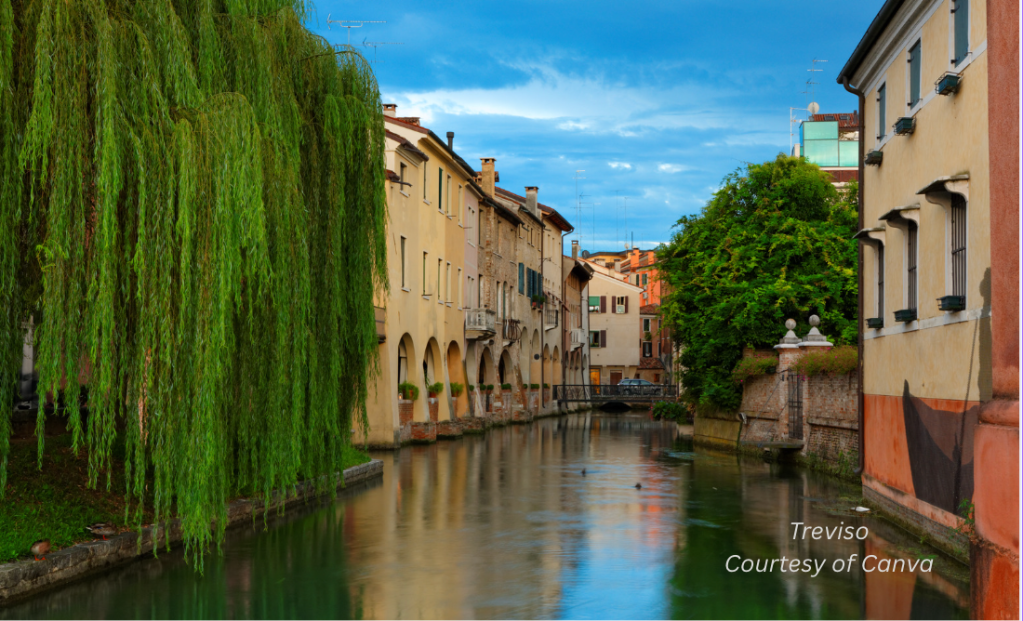
A less-visited northern Italian town, Treviso is “Little Venezia.” It has medieval walls and canals and rivers that criss-cross the city. The Sile and Boteniga Rivers weave their way through Treviso producing canals that are quieter and more peaceful than those of Veneia. Because Treviso is not a cluster of islands connected by bridges, it doesn’t have as many canals as Venezia.
That most likely will make the historic center more walkable and enjoyable (mostly since we won’t get quite as lost). Treviso doesn’t have the big piazzas and squares that you’ll find in Venezia, but Piazza dei Signori, the city’s main square, is a gathering place for locals. From photos I’ve seen, the alleys and streets seem to be wider than those of Venezia.
One big difference between Treviso and Venezia is that, unlike Venezia, Treviso allows cars, bikes, and buses in the historic center. The city does, however, limit motorized traffic, and the area is highly pedestrianized.
Industry
The town is not economically dependent on tourism. so its economic well-being depends on manufacturing and industry. As the Boteniga and Sile Rivers are navigable, they have the ability to ship and receive goods and services easily. Treviso is home to small and medium companies that produce mechanics, textiles, furniture, and more.
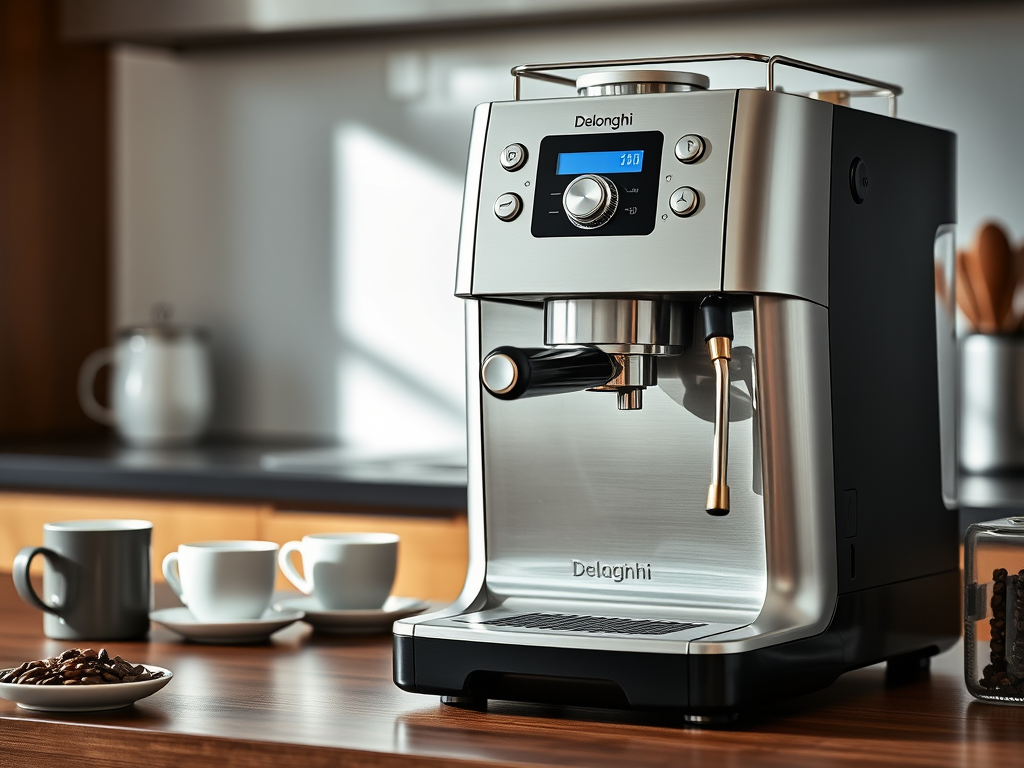
Italy, of course, is fashion-forward, and Treviso plays a big role in the fashion industry. Today, part of the Made in Italy movement is based in Treviso. (Side note: Made in Italy exists to highlight the excellence, innovation, and craftsmanship of products produced in Italy. It concentrates on the “4 As”—Automobili (autos), Arradamento (furniture), Agroalimentare (food), and Abbigliamento (fashion). Undoubtedly you have heard of Benetton Group, DeLonghi, Sisley, Stefanel, Geox, and Lotto Sport Italia, all with headquarters in the area.
Cuisine
The cuisine of Treviso reflects both its history and its region, Veneto. Popular dishes include risotto made with radicchio rosso di Treviso, a slightly bitter red chicory. They serve white asparagus with boiled eggs and cheese (Yum), and spaghetti with anchovy or sardine sauce (Ugh.). You can bet that I won’t be ordering any Salsa Peverada, another local sauce, either. They make it with sausage, anchovies, and chicken livers. (Not one is on a list of foods to let pass my lips). Other favorites include Sopa Coada (casserole made with bread, broth, pigeon meat, and cheese) (Nope) and Fegato alla Veneziana (basically liver and onions served with polenta) (Nope…Nope…NOPE).

Tiramisu, that popular, decadent Italian dessert, has its roots in Treviso. The story goes that when the owner of Le Beccherie Ristorante, Alba, was pregnant with her son in 1955, her mother-in-law made her breakfast of zabaglione and coffee to give her energy to face the day. Once she was back at the restaurant, Alba worked with the pastry chef to create what we know as tiramesù. It took years of experimentation, but in 1972, Tiramesù finally appeared on the menu at Le Beccherie. (Two side notes: Tiramesù translates to pick me up. The dessert is spelled tiramesù at Le Beccherie)
Le Beccherie is still open today, and we may have to drop in some day just to try the original tiramesù.
And then there is the vino
In the hills around Treviso, you will find vineyards producing the grapes for Veneto’s strong winemaking tradition. The vineyards around Treviso, Conegliano and Valdobbiadene produce Prosecco DOC and Prosecco Superiore DOCG, some of my favorite wines. Prosecco is a light, sparkling wine which can vary from dry to slightly sweet. If you’ve ever had an Aperol Spritz (Gag) or Bellini (Mmmm), you’ve had Prosecco as it’s the sparkle in those two drinks.

You’ll also find red wines like Merlot, Cabernet Sauvignon, and Raboso in the area. We don’t tend to drink much red wine, but we may have to try the Raboso when in the area as it is one wine we’ve never had.
pied-à-terre
We’ll be staying in a small apartment in the historic center of Treviso. A loft apartment, it is close to the Duomo and has a view of its domes. From what I can tell, it takes about 4 minutes to walk to the city’s main piazza, Piazza dei Signori; 10 minutes to walk to the daily market; maybe 15 to walk to the train station; and six minutes to walk to the daily fish market (not that I’ll be going there for any reason other than to take photos).
We know that seven days in Treviso is not a lot. It will be nice, however, to spend time in a different regions, explore the area, and make some new friends.
Next: The Beauty That Is Bologna

 coldpastaandredwine.com